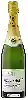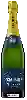
Winery Yves JacquierDemi-Sec
 wine
wine
This wine generally goes well with
The Demi-Sec of the Winery Yves Jacquier is in the top 0 of wines of Crémant du Jura.
Details and technical informations about Winery Yves Jacquier's Demi-Sec.
Discover the grape variety: Pascal
Pascal blanc is a grape variety that originated in France (Provence). It produces a variety of grape specially used for wine making. It is rare to find this grape to eat on our tables. Pascal blanc can be found in many vineyards: South-West, Cognac, Bordeaux, Provence & Corsica, Rhone valley, Loire valley, Savoie & Bugey, Beaujolais.
Informations about the Winery Yves Jacquier
The Winery Yves Jacquier is one of of the world's greatest estates. It offers 6 wines for sale in the of Crémant du Jura to come and discover on site or to buy online.

The wine region of Crémant du Jura
The wine region of Crémant du Jura is located in the region of Côtes du Jura of Jura of France. Wineries and vineyards like the Domaine Bénédicte et Stéphane Tissot or the Domaine Marcel Cabelier produce mainly wines sparkling, white and red. The most planted grape varieties in the region of Crémant du Jura are Chardonnay, Pinot noir and Poulsard, they are then used in wines in blends or as a single variety. On the nose of Crémant du Jura often reveals types of flavors of cream, black fruit or yellow apple and sometimes also flavors of smoke, chalk or raspberry.
The wine region of Jura
The Jura is a small wine region in eastern France that is responsible for some very special and traditional wine styles. It is close to the Swiss Jura, but quite distinct from it. Wedged between Burgundy to the west and Switzerland to the east, the region is characterized by a landscape of Wooded hills and the winding topography of the Jura Mountains. The Jura vineyards cover just over 1,850 hectares, forming a narrow strip of land almost 80 km Long from North to South.
The word of the wine: Light (taste of)
Taste close to oxidation, characteristic of champagnes altered by prolonged exposure to light.