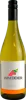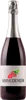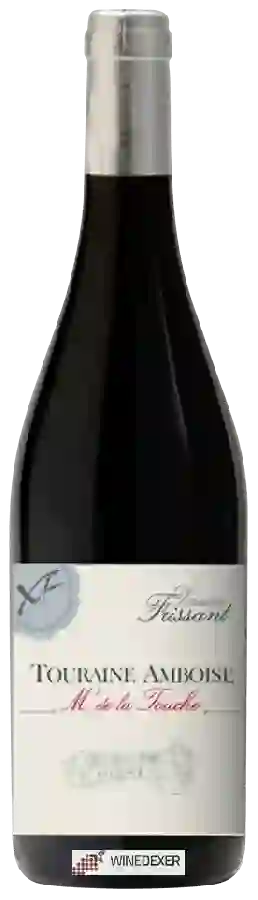
Winery Xavier FrissantM' de La Touche Touraine Amboise
 Red wine



This wine generally goes well with

Details and technical informations about Winery Xavier Frissant's M' de La Touche Touraine Amboise.
Discover the grape variety: Côt
Powerful, structured reds with an almost black inky robe, firm tannins and preserved acidity, with intense aromas of blackberry, plum, blackcurrant, violet, cocoa, spice and balsamic notes. Fine ageing potential. Absolute star of Cahors AOC on the Lot terraces, where it is called Auxerrois (minimum 70% in blends), and a global conqueror as Malbec in Argentina (Mendoza). Also found in Touraine (Côt de Loire) and the South-West. Autochthonous French variety from Quercy.
Last vintages of this wine
The best vintages of M' de La Touche Touraine Amboise from Winery Xavier Frissant are 2016, 2015, 2013, 2014
Informations about the Winery Xavier Frissant
The Winery Xavier Frissant is one of of the world's greatest estates. It offers 21 wines for sale in the of Touraine-Amboise to come and discover on site or to buy online.

The wine region of Touraine-Amboise
AOC of the Loire Valley (Indre-et-Loire) around Amboise: since 2020, only AOC requiring 100% Côt (Malbec) in reds — atypical reds from massal selections, fine and silky tannins, long persistence, from supple to powerful depending on ageing. Rosés blending Cabernet Franc, Cabernet Sauvignon, Côt and Gamay, fruity and fresh. 100% Chenin Blanc whites, taut and mineral. 60% reds, 30% rosés, 10% whites.
The wine region of Loire Valley
Kingdom of lively, dry whites and fine sparklers. Mineral, taut Sauvignon Blanc (Sancerre, Pouilly-Fumé) with citrus and gunflint notes. Multiform Chenin Blanc (Vouvray, Savennières, Layon): straight dry, floral off-dry or noble sweet honey-quince. Saline, iodised Muscadet (Melon B.
The word of the wine: Sulphur
An antiseptic and antioxidant substance known since antiquity, probably already used by the Romans. But it was only in modern times that its use was rediscovered. It will allow a better conservation of the wine and thus favour its export. Sulphur also gave the 18th century winegrower the possibility of extending the maceration period without fearing that the wine would turn sour and thus go from dark rosé wines to the red wines of today. Excessive sulphur, on the other hand, kills happiness, paralysing the aromas and causing headaches.