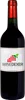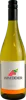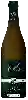
Winery WolfenweilerWeisser Burgunder Trocken Im Eichenfass Gereift
 White wine
In the mouth this white wine is a with a nice freshness.
This wine generally goes well with rich fish (salmon, tuna etc), shellfish or mild and soft cheese.

Taste structure of the Weisser Burgunder Trocken Im Eichenfass Gereift from the Winery Wolfenweiler
Light | Bold | |
Dry | Sweet | |
Soft | Acidic |
In the mouth the Weisser Burgunder Trocken Im Eichenfass Gereift of Winery Wolfenweiler in the region of Baden is a with a nice freshness.
Food and wine pairings with Weisser Burgunder Trocken Im Eichenfass Gereift
Pairings that work perfectly with Weisser Burgunder Trocken Im Eichenfass Gereift



Original food and wine pairings with Weisser Burgunder Trocken Im Eichenfass Gereift

The Weisser Burgunder Trocken Im Eichenfass Gereift of Winery Wolfenweiler matches generally quite well with dishes of rich fish (salmon, tuna etc), shellfish or mild and soft cheese such as recipes of pasta with tuna, american style lobster tails, great chef style or pela savoyarde.
Details and technical informations about Winery Wolfenweiler's Weisser Burgunder Trocken Im Eichenfass Gereift.
Discover the grape variety: Early Muscat
Aromatic muscat whites in dry, sweet and sparkling styles, pale golden colour, broad and fragrant palate; intense muscat aromas (rose, fresh grape), white flowers (orange blossom), exotic fruits (lychee, mango) and honey. Grown in California, Australia and South Africa for sweet wines, sparkling wines and aromatic early-ripening table grapes. American muscat white grape, early-ripening cross, for fresh consumption and wine.
Informations about the Winery Wolfenweiler
The Winery Wolfenweiler is one of of the world's great estates. It offers 52 wines for sale in the of Baden to come and discover on site or to buy online.

The wine region of Baden
German capital of Pinot Noir (Spätburgunder): silky, fine reds with notes of red fruits, cherry, undergrowth and sweet spices, melted tannins. Round Grauburgunder (Pinot Gris), lively Weissburgunder, supple Müller-Thurgau, mineral Riesling. Germany's 3rd region (15,000 ha) in Baden-Württemberg facing Alsace, one of the country's warmest climates, volcanic soils at the Kaiserstuhl. Cradle of modern great German reds, elegant and fine.
The word of the wine: Smoked
Qualifier of smells close to those of smoked food, characteristic, among other things, of the Sauvignon grape variety; hence the name of smoked white given to this variety.