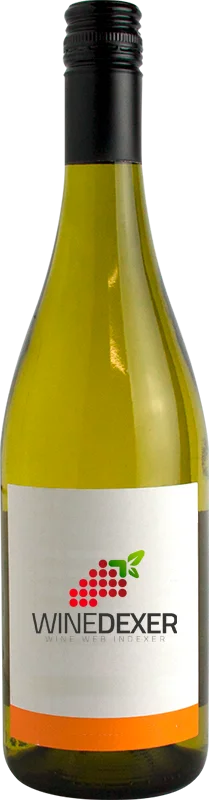
Winery Wine UnionSauvignon Blanc - Chardonnay
 White wine



This wine generally goes well with pork, vegetarian or poultry.
The Sauvignon Blanc - Chardonnay of the Winery Wine Union is in the top 40 of wines of Melnik.

Food and wine pairings with Sauvignon Blanc - Chardonnay
Pairings that work perfectly with Sauvignon Blanc - Chardonnay



Original food and wine pairings with Sauvignon Blanc - Chardonnay


The Sauvignon Blanc - Chardonnay of Winery Wine Union matches generally quite well with dishes of pork, rich fish (salmon, tuna etc) or shellfish such as recipes of country cabbage, baked sea bream or mussels with rosemary and barbecue.
Details and technical informations about Winery Wine Union's Sauvignon Blanc - Chardonnay.
Discover the grape variety: Chardonnay
Whites with many faces: mineral and taut at Chablis (lemon, green apple, flint), opulent and buttery at Meursault and Puligny-Montrachet (hazelnut, brioche, yellow fruits), tense and chalky in Champagne (Blanc de Blancs). Also vinified sparkling and widely exported (Sonoma, Margaret River, Casablanca). A Burgundian variety, a cross of Pinot Noir × Gouais Blanc, half-sibling of Aligoté.
Last vintages of this wine
The best vintages of Sauvignon Blanc - Chardonnay from Winery Wine Union are 2016, 2015, 2011, 0
Informations about the Winery Wine Union
The Winery Wine Union is one of of the world's greatest estates. It offers 10 wines for sale in the of Melnik to come and discover on site or to buy online.

The wine region of Melnik
South-western Bulgaria at the foot of Mount Pirin, Mediterranean-continental climate, sandy soils and scorching summers. Shiroka Melnishka Loza is the signature red king ("broad-leaved vine", a millennial native with late ripening): dense, sunny reds with candied black cherry, ripe strawberry, blackberry, tobacco, leather, sweet spices and herbal notes, firm tannins — often compared to Châteauneuf-du-Pape. Fleshy Mavrud, supple Melnik 55, firm Cabernet. Churchill's favourite (500 L/year).
The word of the wine: Yeast
Micro-organisms at the base of all fermentative processes. A wide variety of yeasts live and thrive naturally in the vineyard, provided that treatments do not destroy them. Unfortunately, their replacement by laboratory-selected yeasts is often the order of the day and contributes to the standardization of the wine. Yeasts are indeed involved in the development of certain aromas.