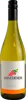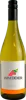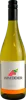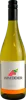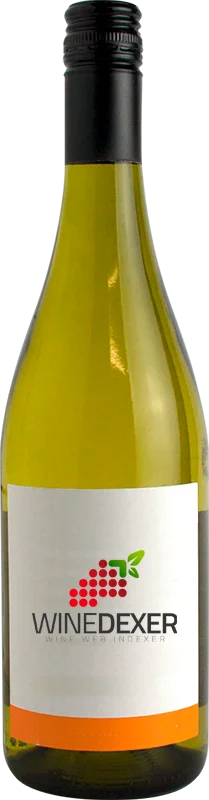
Winery BerguléSauvignon Blanc Semi Dry
 White wine


This wine generally goes well with vegetarian, rich fish (salmon, tuna etc) or shellfish.
The Sauvignon Blanc Semi Dry of the Winery Bergulé is in the top 10 of wines of Melnik.

Food and wine pairings with Sauvignon Blanc Semi Dry
Pairings that work perfectly with Sauvignon Blanc Semi Dry



Original food and wine pairings with Sauvignon Blanc Semi Dry
The Sauvignon Blanc Semi Dry of Winery Bergulé matches generally quite well with dishes of rich fish (salmon, tuna etc), shellfish or vegetarian such as recipes of potato and tuna gratin, squid rings with tomato or quiche without eggs.
Details and technical informations about Winery Bergulé's Sauvignon Blanc Semi Dry.
Discover the grape variety: Királyleányka
Lively, aromatic whites best enjoyed young, with a pale golden robe, airy palate with preserved acidity, and signature muscat, floral (acacia, orange blossom) and white fruit (pear, apple) aromas. Productive variety contributing to dry and off-dry Hungarian and Romanian whites, mainly in Transylvania and central Hungary. Hungarian autochthonous white grape whose name means "little princess".
Last vintages of this wine

The best vintages of Sauvignon Blanc Semi Dry from Winery Bergulé are 2017, 0, 2018, 2015
Informations about the Winery Bergulé
The Winery Bergulé is one of of the world's greatest estates. It offers 11 wines for sale in the of Melnik to come and discover on site or to buy online.

The wine region of Melnik
South-western Bulgaria at the foot of Mount Pirin, Mediterranean-continental climate, sandy soils and scorching summers. Shiroka Melnishka Loza is the signature red king ("broad-leaved vine", a millennial native with late ripening): dense, sunny reds with candied black cherry, ripe strawberry, blackberry, tobacco, leather, sweet spices and herbal notes, firm tannins — often compared to Châteauneuf-du-Pape. Fleshy Mavrud, supple Melnik 55, firm Cabernet. Churchill's favourite (500 L/year).
The word of the wine: Wrapped
Said of a wine rich in alcohol, but in which the mellowness dominates.