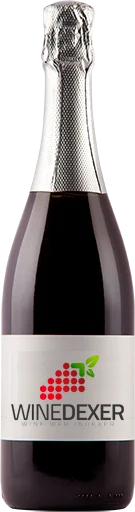
Winery WINCAu-Delà
 Sparkling wine


This wine generally goes well with pork, mild and soft cheese or mushrooms.

Food and wine pairings with Au-Delà
Pairings that work perfectly with Au-Delà


Original food and wine pairings with Au-Delà
The Au-Delà of Winery WINC matches generally quite well with dishes of pork, mushrooms or mild and soft cheese such as recipes of ham and cheese cake, gourmet gizzard salad or north welsch.
Details and technical informations about Winery WINC's Au-Delà.
Discover the grape variety: Rubilande
Light, lively rosés best enjoyed young, with a pale pink robe and an airy palate of preserved acidity, showing discreet aromas of red fruits and flowers. Rustic, understated profile. Almost extinct, preserved in INRAE varietal collections for its heritage value, this pink French variety testifies to the pre-phylloxera ampelographic diversity of French vineyards.
Last vintages of this wine

The best vintages of Au-Delà from Winery WINC are 2015, 2014
Informations about the Winery WINC
The Winery WINC is one of wineries to follow in Santa Barbara County.. It offers 163 wines for sale in the of Santa Barbara County to come and discover on site or to buy online.

The wine region of Santa Barbara County
Californian star of cool climates (Central Coast): signature Pinot Noir as king of reds on the cool AVAs (Sta. Rita Hills, Santa Maria Valley) — fine and mineral with notes of cherry, raspberry, undergrowth, orange peel and spice, Burgundy-style acidity. Taut Chardonnay (citrus, apple, gunflint). Fleshy Syrah (Ballard Canyon).
The wine region of California
Powerful, sunny reds: dense Napa Cabernet Sauvignon (blackcurrant, chocolate, tobacco, ample tannins), spicy, jammy Zinfandel from the Sierra Foothills, silky red-fruited Pinot Noir on the cool coast (Sonoma, Russian River, Central Coast). Opulent, buttery Chardonnay, notes of yellow fruit and vanilla. Varied climate, from the hot interior to the Pacific-cooled coast. 80% of US production, 139 AVAs including Napa (1st AVA, 1981).
The word of the wine: Oenophile
A person who is interested in the world of wine and more particularly in wine tasting.


