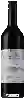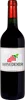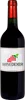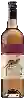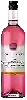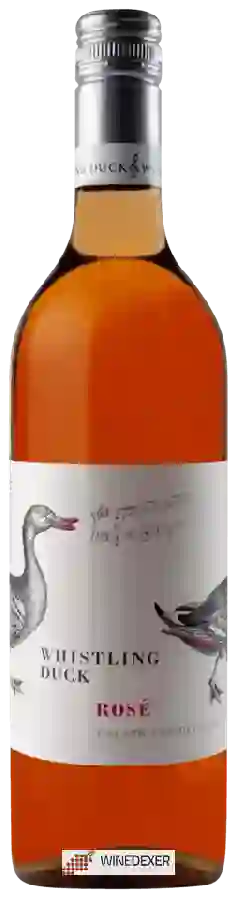
Winery Whistling DuckRosé
 Pink wine



This wine generally goes well with beef, lamb or mature and hard cheese.

Food and wine pairings with Rosé
Pairings that work perfectly with Rosé



Original food and wine pairings with Rosé

The Rosé of Winery Whistling Duck matches generally quite well with dishes of beef, lamb or spicy food such as recipes of navarin of the sea da gigi, moroccan lamb stew or shrimp with curry express.
Details and technical informations about Winery Whistling Duck's Rosé.
Discover the grape variety: Silvaner
Lively, structured dry whites with a pale golden robe, a taut palate and preserved acidity, showing refined and understated aromas of citrus (lemon), white flowers (acacia), green apple, fresh herbs and calcareous mineral notes. A terroir variety for young or aged drinking, with perfect soil transparency. The undisputed star of Franconia VDP, present in Alsace AOC and Austria. An indigenous Austrian variety, also called Sylvaner or Grüner Silvaner.
Last vintages of this wine
The best vintages of Rosé from Winery Whistling Duck are 0, 2015
Informations about the Winery Whistling Duck
The Winery Whistling Duck is one of of the world's greatest estates. It offers 9 wines for sale in the of Australie du Sud-Est to come and discover on site or to buy online.

The wine region of Australie du Sud-Est
Macro blending zone covering the southern half of the country (NSW, Victoria, Tasmania, parts of SA and QLD). Accessible, vintage-consistent brand wines: supple fruity Shiraz (blackberry, sweet spice), round Cabernet Sauvignon, gourmet Merlot, opulent Chardonnay (yellow fruit, vanilla), lively Sauvignon Blanc, lemony Sémillon. Status created for export and major international brands. From aperitif to everyday, an affordable, fruity expression of the Australian style.
The word of the wine: Drawing (liqueur de)
In champagne and sparkling wines of traditional method, addition to the wine, at the time of bottling (tirage) of sugars and yeasts dissolved in wine. These components will provoke the second fermentation in the bottle leading to the formation of carbon dioxide bubbles.