The Winery Westport of Porto of Duriense
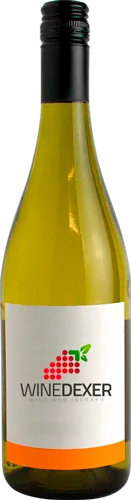
The Winery Westport is one of the best wineries to follow in Porto.. It offers 4 wines for sale in of Porto to come and discover on site or to buy online.
Looking for the best Winery Westport wines in Porto among all the wines in the region? Check out our tops of the best red, white or effervescent Winery Westport wines. Also find some food and wine pairings that may be suitable with the wines from this area. Learn more about the region and the Winery Westport wines with technical and enological descriptions.
How Winery Westport wines pair with each other generally quite well with dishes of beef, mature and hard cheese or sweet desserts such as recipes of quick and easy monkfish tail, melt-in-the-mouth omelette with tomatoes, asparagus and comté or homemade cookies.
On the nose the natural sweet wine of Winery Westport. often reveals types of flavors of dried fruit, oaky or coffee and sometimes also flavors of plum, prune or fig. In the mouth the natural sweet wine of Winery Westport. is a powerful mainly marked by the residual sugar.
The wine region of Porto is located in the region of Duriense of Portugal. We currently count 312 estates and châteaux in the of Porto, producing 2132 different wines in conventional, organic and biodynamic agriculture. The wines of Porto go well with generally quite well with dishes .
Planning a wine route in the of Porto? Here are the wineries to visit and the winemakers to meet during your trip in search of wines similar to Winery Westport.
The colombaud grape variety is equally appreciated as a white table grape and as a wine grape. Originally from Provence, it is practically no longer found in the vineyards. It is known under several other names, including poupousaoumo, courambaou and bouteillan. An amber veil covers them on the sides most exposed to the sun. The thin, crumbly greenish skin protects an ellipsoidal or spherical pulp, juicy and firm in consistency. The pulp has a simple, pleasant and slightly spicy taste. The berries are gathered in bunches carried by strong peduncles. The grapes are of medium length, compact and cylindrical-conical in shape, often with fins, and are harvested at the third medium period, as the grapevine buds late. Short pruning is best suited to this semi-erect plant, which likes exposed, warm soil.