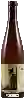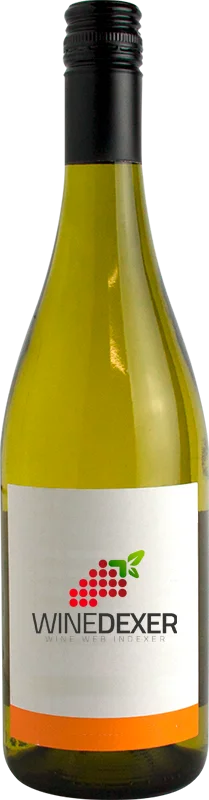
Winery WengerterFranken Trocken Silvaner
 White wine
In the mouth this white wine is a with a nice freshness.
This wine generally goes well with pork, vegetarian or poultry.

Taste structure of the Franken Trocken Silvaner from the Winery Wengerter
Light | Bold | |
Dry | Sweet | |
Soft | Acidic |
In the mouth the Franken Trocken Silvaner of Winery Wengerter in the region of Franken is a with a nice freshness.
Food and wine pairings with Franken Trocken Silvaner
Pairings that work perfectly with Franken Trocken Silvaner



Original food and wine pairings with Franken Trocken Silvaner


The Franken Trocken Silvaner of Winery Wengerter matches generally quite well with dishes of veal, pork or vegetarian such as recipes of osso-bucco with asian flavours, funambuline style, spanish paella or leek, goat cheese and bacon quiche.
Details and technical informations about Winery Wengerter's Franken Trocken Silvaner.
Discover the grape variety: Seinoir
Simple, light, fruity reds with a pale ruby colour, silky tannins and an airy palate with moderate acidity. Understated aromas of red fruits. Discrete rustic profile. Nearly extinct, preserved in INRAE varietal collections for its heritage value; it reflects the pre-phylloxera ampelographic diversity of the French vineyard and is among the heritage varieties under study. A rare French black grape, once grown in the centre-east.
Informations about the Winery Wengerter
The Winery Wengerter is one of of the world's greatest estates. It offers 17 wines for sale in the of Franken to come and discover on site or to buy online.

The wine region of Franken
Homeland of German Silvaner: dry, straight, mineral and lively whites with notes of green apple, citrus, fresh herbs and a saline touch, planted here for over 350 years (1,500 ha, a quarter of the vineyard). Also supple, floral Müller-Thurgau, taut Riesling, aromatic Bacchus. Some discreet reds (Spätburgunder). 6,040 ha in Bavaria along the Main around Würzburg, red sandstone and shell-limestone soils.
The word of the wine: Tartar (deposit)
White, chalky deposits that occur as a result of precipitation inside bottles and are often considered by consumers as a defect. They are in fact tartaric salts formed by tartaric acid, potassium and calcium naturally present in the wine. This deposit does not alter the quality of the wine and can be eliminated by a simple decanting.