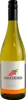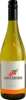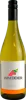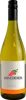
Winery Weinhof EhnFrühroter Veltliner
 White wine


This wine generally goes well with

Details and technical informations about Winery Weinhof Ehn's Frühroter Veltliner.
Discover the grape variety: Ancellotta
Intensely coloured, supple reds with an inky violet robe, melted tannins and moderate acidity. Aromas of black cherry, blackberry, plum, violet and soft spicy notes. Round palate, best drunk young. The quintessential blending variety, massively blended with Lambrusco to intensify the colour of Emilia-Romagna sparkling wines; also vinified as a single variety in Argentina, Switzerland and Portugal. Native Italian variety from the province of Reggio Emilia.
Last vintages of this wine
The best vintages of Frühroter Veltliner from Winery Weinhof Ehn are 0
Informations about the Winery Weinhof Ehn
The Winery Weinhof Ehn is one of of the world's greatest estates. It offers 7 wines for sale in the of Niederösterreich to come and discover on site or to buy online.

The wine region of Niederösterreich
Homeland of Grüner Veltliner: Austria's signature dry whites, lively, peppery ("Pfefferl"), with notes of citrus, green apple, fennel and fine minerality, from crunchy everyday to great age-worthy bottles on lees. Taut, precise Riesling on the Wachau terraces (UNESCO). Quieter reds: supple Zweigelt with red fruit. Subregions: Wachau, Kremstal, Kamptal, Wagram, Weinviertel.
The wine region of Weinland
Vast German-speaking region in north-eastern Switzerland, the country's largest production area. Signature Pinot Noir (Blauburgunder): fine, fresh reds with notes of cherry, raspberry, undergrowth and sweet spices, silky tannins. Elegant, delicate style, often barrel-aged. Also light, floral Müller-Thurgau (Riesling-Sylvaner), lively, lemony native Räuschling, ample Pinot Gris.
The word of the wine: Maceration
Prolonged contact and exchange between the juice and the grape solids, especially the skin. Not to be confused with the time of fermentation, which follows maceration. The juice becomes loaded with colouring matter and tannins, and acquires aromas. For a rosé, the maceration is short so that the colour does not "rise" too much. For white wines too, a "pellicular maceration" can be practised, which allows the wine to acquire more fat.