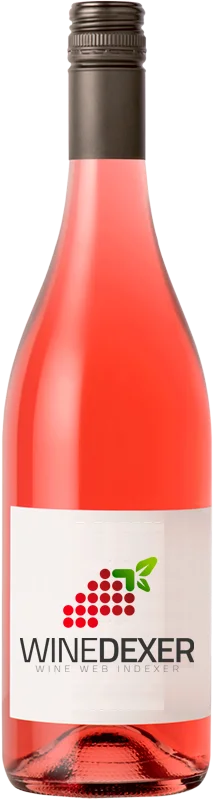
Weingut SchuhDer Rosa Schuh
 Pink wine


This wine is a blend of 2 varietals which are the Dornfelder and the Kerner.
This wine generally goes well with
The Der Rosa Schuh of the Weingut Schuh is in the top 10 of wines of Sachsen.
Details and technical informations about Weingut Schuh's Der Rosa Schuh.
Discover the grape variety: Dornfelder
German, intraspecific cross made in 1955 by August Karl Herold (1902-1973) between the helfensteiner and the heroldrebe (more details, click here!). With these same parents he also obtained the hegel. The Dornfelder can be found in Switzerland, United Kingdom, Belgium, Germany, Austria, Czech Republic, Canada, United States, ... . Virtually unknown in France, we nevertheless recognize a certain interest in it due to its short phenological cycle and the quality of its wines, both rosé and red.
Last vintages of this wine
The best vintages of Der Rosa Schuh from Weingut Schuh are 2015, 0
Informations about the Weingut Schuh
The Weingut Schuh is one of of the world's greatest estates. It offers 25 wines for sale in the of Sachsen to come and discover on site or to buy online.

The wine region of Sachsen
Sachsen (Saxony) in eastern Germany is one of the world's Northernmost wine regions, located at a latitude of 51 degrees north. The roughly 493 hectares (1,218ac) of vines in the region are planted aLong a 25 mile (40km) stretch of the Elbe river valley, from Pillnitz near the city of Dresden, in a north-easterly direction to Diesbar-Seusslitz, just downstream of the city of Meissen. Despite its northerly location, Sachsen has a long history of viticulture, with the earliest documents of wine-growing around Meissen dating to 1161. Since Germany's reunification in 1990, great enthusiasm has gone into building and developing the Sachsen wine industry; there are many part-time growers and an enthusiastic local market.
The word of the wine: Apogee
This period varies greatly depending on the type of wine and the vintage, and corresponds to the optimum quality of a wine. After the peak comes the decline.