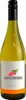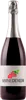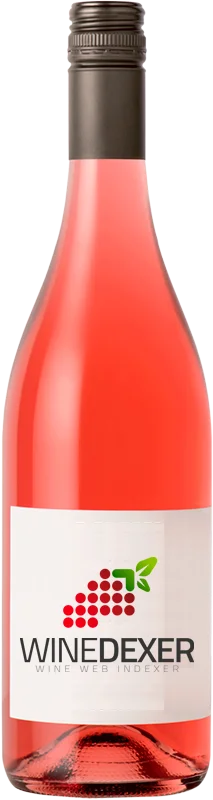
Winery MeissenBlanc de Noirs Bereich Meissen Trocken
 Pink wine
This wine generally goes well with pork, poultry or veal.

Food and wine pairings with Blanc de Noirs Bereich Meissen Trocken
Pairings that work perfectly with Blanc de Noirs Bereich Meissen Trocken



Original food and wine pairings with Blanc de Noirs Bereich Meissen Trocken


The Blanc de Noirs Bereich Meissen Trocken of Winery Meissen matches generally quite well with dishes of veal, pork or game (deer, venison) such as recipes of chicken supreme with morels, gratin of coquillettes with ham or duck breast with orange sauce.
Details and technical informations about Winery Meissen's Blanc de Noirs Bereich Meissen Trocken.
Discover the grape variety: Pinot noir
Elegant reds, light in colour with silky tannins, showing strawberry, cherry and raspberry aromas, evolving to forest floor, mushroom and spice with age. Fresh acidity, delicate finish. Star of the Côte d'Or (Romanée-Conti, Chambertin, Volnay), pillar of Champagne (Blanc de Noirs) and signature of Oregon, Central Otago and Sonoma Coast. An early-ripening Burgundian variety, one of the world's greatest.
Informations about the Winery Meissen
The Winery Meissen is one of of the world's greatest estates. It offers 82 wines for sale in the of Sachsen to come and discover on site or to buy online.

The wine region of Sachsen
The northernmost and one of the smallest German wine regions (507 ha), the Elbe valley on loess and granite. Lively, mineral whites largely dominate (81%). Signature Müller-Thurgau with signature notes of light muscat, green apple, white flowers and a citrus touch, supple palate. Taut, chiselled Riesling (lemon, peach), round Weißburgunder (pear, almond), ample Grauburgunder, rare aromatic Goldriesling.
The word of the wine: Braucol
See servadou iron.