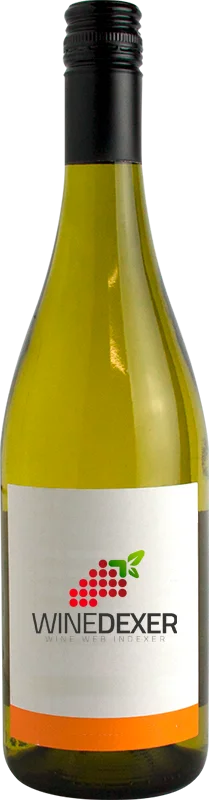
Weingut WeikWeissburgunder
 White wine
In the mouth this white wine is a with a nice freshness.
This wine generally goes well with rich fish (salmon, tuna etc), shellfish or mild and soft cheese.

Taste structure of the Weissburgunder from the Weingut Weik
Light | Bold | |
Dry | Sweet | |
Soft | Acidic |
In the mouth the Weissburgunder of Weingut Weik in the region of Pfalz is a with a nice freshness.
Food and wine pairings with Weissburgunder
Pairings that work perfectly with Weissburgunder



Original food and wine pairings with Weissburgunder

The Weissburgunder of Weingut Weik matches generally quite well with dishes of rich fish (salmon, tuna etc), shellfish or mild and soft cheese such as recipes of baked whole salmon, pike dumplings with shrimp sauce or potato and chicken gratin.
Details and technical informations about Weingut Weik's Weissburgunder.
Discover the grape variety: Nocera
Structured and elegant reds with a light to intense ruby colour, soft to firm tannins and silky palate, with signature aromas of red fruit (cherry, morello cherry), plum, sweet spices, Mediterranean garrigue and saline notes. A fresh, sunny Sicilian profile. Traditional component of blends in the Mamertino di Milazzo DOC appellation, signing the viticultural heritage of the province of Messina. An indigenous Italian black variety from Sicily.
Informations about the Weingut Weik
The Weingut Weik is one of of the world's great estates. It offers 35 wines for sale in the of Pfalz to come and discover on site or to buy online.

The wine region of Pfalz
Fleshy, dry, fruity Riesling is the region's signature: yellow peach, apricot, ripe citrus, lovely mineral tension. Germany's largest red-wine area (40%), with silky Spätburgunder showing red fruit and spice, darker structured Dornfelder, supple Portugieser. Some rounded Pinot Blanc and Pinot Gris. A 23,640 ha vineyard along the Haardt, among Germany's warmest (>2,000 h of sun).
The word of the wine: Reserve wine (champagne)
Older wines, kept in vats or aged in wood in some houses, or kept in magnums at Bollinger. A small percentage of these wines are used in the blending of non-vintage wines in order to bring greater aromatic complexity.