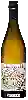
Weingut KarstSauvignon Blanc Trocken
 White wine
In the mouth this white wine is a with a nice freshness.
This wine generally goes well with vegetarian, shellfish or goat cheese.
The Sauvignon Blanc Trocken of the Weingut Karst is in the top 10 of wines of Pfalz.

Taste structure of the Sauvignon Blanc Trocken from the Weingut Karst
Light | Bold | |
Dry | Sweet | |
Soft | Acidic |
In the mouth the Sauvignon Blanc Trocken of Weingut Karst in the region of Pfalz is a with a nice freshness.
Food and wine pairings with Sauvignon Blanc Trocken
Pairings that work perfectly with Sauvignon Blanc Trocken



Original food and wine pairings with Sauvignon Blanc Trocken
The Sauvignon Blanc Trocken of Weingut Karst matches generally quite well with dishes of shellfish, vegetarian or goat cheese such as recipes of mussels with cream supers, summer tuna quiche or croque monsieur with sunny vegetables.
Details and technical informations about Weingut Karst's Sauvignon Blanc Trocken.
Discover the grape variety: Vranac
Intensely coloured, structured reds for ageing, with a deep purple colour, firm tannins and an ample palate, with signature aromas of black fruits (blackberry, blackcurrant, plum), spices, balsamic notes and hints of tobacco. Star of Montenegrin viticulture (Plantaže) and a signature variety for the great reds of North Macedonia and Kosovo, a typical expression of the western Balkans. Indigenous black variety of Montenegro and North Macedonia, whose name means "black horse".
Informations about the Weingut Karst
The Weingut Karst is one of of the world's greatest estates. It offers 39 wines for sale in the of Pfalz to come and discover on site or to buy online.

The wine region of Pfalz
Fleshy, dry, fruity Riesling is the region's signature: yellow peach, apricot, ripe citrus, lovely mineral tension. Germany's largest red-wine area (40%), with silky Spätburgunder showing red fruit and spice, darker structured Dornfelder, supple Portugieser. Some rounded Pinot Blanc and Pinot Gris. A 23,640 ha vineyard along the Haardt, among Germany's warmest (>2,000 h of sun).
The word of the wine: Rosé de saignée
A method of making rosé wine that consists of partially draining a vat of red wine after a few hours of maceration. The longer the maceration, the stronger the colour. This practice gives rich and expressive rosés.