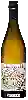
Weingut Karl-Heinz GaulHonigsack Weisser Burgunder
 White wine


In the mouth this white wine is a with a nice freshness.
This wine generally goes well with rich fish (salmon, tuna etc), shellfish or mild and soft cheese.

Taste structure of the Honigsack Weisser Burgunder from the Weingut Karl-Heinz Gaul
Light | Bold | |
Dry | Sweet | |
Soft | Acidic |
In the mouth the Honigsack Weisser Burgunder of Weingut Karl-Heinz Gaul in the region of Pfalz is a with a nice freshness.
Food and wine pairings with Honigsack Weisser Burgunder
Pairings that work perfectly with Honigsack Weisser Burgunder



Original food and wine pairings with Honigsack Weisser Burgunder

The Honigsack Weisser Burgunder of Weingut Karl-Heinz Gaul matches generally quite well with dishes of rich fish (salmon, tuna etc), shellfish or mild and soft cheese such as recipes of half-cooked bluefin tuna, seafood and mushroom quiche or potato cake.
Details and technical informations about Weingut Karl-Heinz Gaul's Honigsack Weisser Burgunder.
Discover the grape variety: Knipperlé
Dry, lively and neutral whites, with a pale golden robe, a taut palate with preserved acidity on undemonstrative citrus and white flower aromas. Discreet and productive rustic profile. Once more widespread, today virtually extinct, preserved in INRAE varietal collections and a few patrimonial Alsatian parcels, it testifies to the pre-phylloxera ampelographic heritage of Alsace. Autochthonous Alsatian white variety.
Last vintages of this wine
The best vintages of Honigsack Weisser Burgunder from Weingut Karl-Heinz Gaul are 0
Informations about the Weingut Karl-Heinz Gaul
The Weingut Karl-Heinz Gaul is one of of the world's greatest estates. It offers 46 wines for sale in the of Pfalz to come and discover on site or to buy online.

The wine region of Pfalz
Fleshy, dry, fruity Riesling is the region's signature: yellow peach, apricot, ripe citrus, lovely mineral tension. Germany's largest red-wine area (40%), with silky Spätburgunder showing red fruit and spice, darker structured Dornfelder, supple Portugieser. Some rounded Pinot Blanc and Pinot Gris. A 23,640 ha vineyard along the Haardt, among Germany's warmest (>2,000 h of sun).
The word of the wine: Clear
Said of a wine that is clear and brilliant in colour and contains no suspended matter.