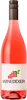
Weingut Hinter der KircheTrocken Rosé
 Pink wine


This wine generally goes well with vegetarian

Food and wine pairings with Trocken Rosé
Pairings that work perfectly with Trocken Rosé

Original food and wine pairings with Trocken Rosé
The Trocken Rosé of Weingut Hinter der Kirche matches generally quite well with dishes of vegetarian such as recipes of quiche without pastry.
Details and technical informations about Weingut Hinter der Kirche's Trocken Rosé.
Discover the grape variety: Rkatsiteli
Structured, aromatic dry whites with a pale golden to amber colour depending on vinification, a full palate and preserved acidity, showing signature aromas of citrus (lemon), white flowers, white-fleshed fruits, almond and mineral notes. Also the star of Georgian traditional orange wines in qvevri with tannins, dried fruits and walnuts. The hallmark of great traditional Georgian whites. Native Georgian white variety, one of the oldest cultivated in the world (5,000 years).
Last vintages of this wine
The best vintages of Trocken Rosé from Weingut Hinter der Kirche are 0
Informations about the Weingut Hinter der Kirche
The Weingut Hinter der Kirche is one of of the world's greatest estates. It offers 15 wines for sale in the of Rheinhessen to come and discover on site or to buy online.

The wine region of Rheinhessen
71% white region: Riesling is king (5,000 ha), dry to off-dry, ripe yellow fruit, apple, citrus and fine saline minerality. Supple, floral Müller-Thurgau for everyday, the world's largest Silvaner plantation with herbaceous, straight notes. Historic cradle of off-sweet Liebfraumilch. Some supple reds (Dornfelder, Spätburgunder).
The word of the wine: Press (wine)
In red winemaking, wine made from the marcs by pressing after devatting. See goutte (wine of).