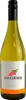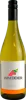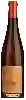
Weingut Hinter der KircheOliver Knab Grauer Burgunder
 White wine
In the mouth this white wine is a .
This wine generally goes well with pork, cured meat or mushrooms.

Taste structure of the Oliver Knab Grauer Burgunder from the Weingut Hinter der Kirche
Light | Bold | |
Dry | Sweet | |
Soft | Acidic |
In the mouth the Oliver Knab Grauer Burgunder of Weingut Hinter der Kirche in the region of Rheinhessen is a .
Food and wine pairings with Oliver Knab Grauer Burgunder
Pairings that work perfectly with Oliver Knab Grauer Burgunder


Original food and wine pairings with Oliver Knab Grauer Burgunder

The Oliver Knab Grauer Burgunder of Weingut Hinter der Kirche matches generally quite well with dishes of pork, spicy food or mushrooms such as recipes of tomatoes stuffed with sausage meat, express seafood spaghetti or sauté of pork with chorizo.
Details and technical informations about Weingut Hinter der Kirche's Oliver Knab Grauer Burgunder.
Discover the grape variety: Pinot gris
Rich, ample whites with a golden robe, showing aromas of pear, quince, honey, smoke, ginger and spice. Made as structured dry wines (Alsace AOC), off-dry and sumptuous late-harvest sweet (vendange tardive, sélection de grains nobles). Lighter and crisper in Italy as Pinot Grigio (Veneto, Friuli). Also in Germany (Grauburgunder), Hungary (Szürkebarát) and Oregon. A grey mutation of Pinot Noir.
Informations about the Weingut Hinter der Kirche
The Weingut Hinter der Kirche is one of of the world's greatest estates. It offers 15 wines for sale in the of Rheinhessen to come and discover on site or to buy online.

The wine region of Rheinhessen
71% white region: Riesling is king (5,000 ha), dry to off-dry, ripe yellow fruit, apple, citrus and fine saline minerality. Supple, floral Müller-Thurgau for everyday, the world's largest Silvaner plantation with herbaceous, straight notes. Historic cradle of off-sweet Liebfraumilch. Some supple reds (Dornfelder, Spätburgunder).
The word of the wine: Aging
Period during which a wine is kept in a cellar where it goes through different phases of evolution of its aromatic range and a maturation of its constituents (evolution of the colour, refining of the tannins, harmonization of the different flavours, etc.). The wine evolves better and less quickly in large containers, whereas it deteriorates prematurely in half-bottles.