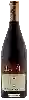
Weingut Disibodenberg - Klostermühle OdernheimSpätburgunder ***
 Red wine


In the mouth this red wine is a with a nice freshness.
This wine generally goes well with poultry, beef or veal.

Taste structure of the Spätburgunder *** from the Weingut Disibodenberg - Klostermühle Odernheim
Light | Bold | |
Smooth | Tannic | |
Dry | Sweet | |
Soft | Acidic |
In the mouth the Spätburgunder *** of Weingut Disibodenberg - Klostermühle Odernheim in the region of Nahe is a with a nice freshness.
Food and wine pairings with Spätburgunder ***
Pairings that work perfectly with Spätburgunder ***



Original food and wine pairings with Spätburgunder ***

The Spätburgunder *** of Weingut Disibodenberg - Klostermühle Odernheim matches generally quite well with dishes of beef, veal or game (deer, venison) such as recipes of beef fillet in a crust, duck breast with orange sauce or aiguillette of duck normandy style.
Details and technical informations about Weingut Disibodenberg - Klostermühle Odernheim's Spätburgunder ***.
Discover the grape variety: Verduzzo trevigiano
Lively and fruity whites for early drinking, pale golden colour, taut mouth with pronounced acidity, with signature aromas of green apple, citrus (lemon) and floral notes. Also made as Prosecco-style sparkling and frizzante. Often blended in Piave DOC and Conegliano wines. Verduzzo variety grown in Veneto, province of Treviso.
Last vintages of this wine
The best vintages of Spätburgunder *** from Weingut Disibodenberg - Klostermühle Odernheim are 2015, 2010, 0
Informations about the Weingut Disibodenberg - Klostermühle Odernheim
The Weingut Disibodenberg - Klostermühle Odernheim is one of of the world's greatest estates. It offers 42 wines for sale in the of Nahe to come and discover on site or to buy online.

The wine region of Nahe
Homeland of a mineral Riesling of exceptional geological expression: lively, precise whites with notes of peach, citrus, green apple, gunflint and fine salinity, from taut dry to botrytised sweet. 75% whites, Riesling king (27%) complemented by round Pinot Gris and supple Pinot Blanc. Rising reds: silky Spätburgunder with red fruit, darker Dornfelder. 4,240 ha along the Nahe river, among the most diverse soils in Germany (180 formations).
The word of the wine: Old
This term can have several meanings, but generally refers to a wine that is several years old and has been aged in the bottle after having been in the barrel.