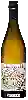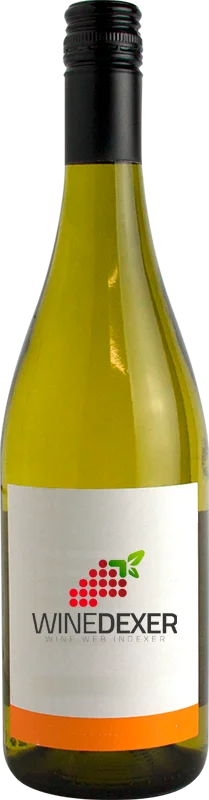
Winery VölckerWeissburgunder Trocken
 White wine


In the mouth this white wine is a powerful with a nice freshness.
This wine generally goes well with rich fish (salmon, tuna etc), shellfish or mild and soft cheese.

Taste structure of the Weissburgunder Trocken from the Winery Völcker
Light | Bold | |
Dry | Sweet | |
Soft | Acidic |
In the mouth the Weissburgunder Trocken of Winery Völcker in the region of Pfalz is a powerful with a nice freshness.
Food and wine pairings with Weissburgunder Trocken
Pairings that work perfectly with Weissburgunder Trocken


Original food and wine pairings with Weissburgunder Trocken

The Weissburgunder Trocken of Winery Völcker matches generally quite well with dishes of rich fish (salmon, tuna etc), shellfish or mild and soft cheese such as recipes of penne with smoked salmon and crème fraiche, garlic shrimp or typical quebec poutine.
Details and technical informations about Winery Völcker's Weissburgunder Trocken.
Discover the grape variety: Doçal de Refóios
Very fresh and light whites with a pale golden robe, airy palate with lively acidity, showing signature aromas of citrus (lemon), white flowers and nervous notes. Confidential heritage profile. Rare and confidential, it belongs to the heritage varieties preserved for their genetic and historical interest within the Vinho Verde DOC. Portuguese white autochtone variety from northern Minho, in the Lima sub-region.
Last vintages of this wine
The best vintages of Weissburgunder Trocken from Winery Völcker are 0, 2017
Informations about the Winery Völcker
The Winery Völcker is one of of the world's greatest estates. It offers 38 wines for sale in the of Pfalz to come and discover on site or to buy online.

The wine region of Pfalz
Fleshy, dry, fruity Riesling is the region's signature: yellow peach, apricot, ripe citrus, lovely mineral tension. Germany's largest red-wine area (40%), with silky Spätburgunder showing red fruit and spice, darker structured Dornfelder, supple Portugieser. Some rounded Pinot Blanc and Pinot Gris. A 23,640 ha vineyard along the Haardt, among Germany's warmest (>2,000 h of sun).
The word of the wine: Tartar (deposit)
White, chalky deposits that occur as a result of precipitation inside bottles and are often considered by consumers as a defect. They are in fact tartaric salts formed by tartaric acid, potassium and calcium naturally present in the wine. This deposit does not alter the quality of the wine and can be eliminated by a simple decanting.