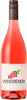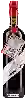
Winery Vită RomâneascăGalbenă de Odobeşti Demidulce
 wine
wine
This wine generally goes well with
The Galbenă de Odobeşti Demidulce of the Winery Vită Românească is in the top 0 of wines of Vrancea.
Details and technical informations about Winery Vită Românească's Galbenă de Odobeşti Demidulce.
Discover the grape variety: Mencia
Spanish, more precisely from the Duero Valley where it is still very present. According to some ampelographers, it is close to Cabernet Franc.
Informations about the Winery Vită Românească
The Winery Vită Românească is one of of the world's greatest estates. It offers 7 wines for sale in the of Vrancea to come and discover on site or to buy online.

The wine region of Vrancea
The wine region of Vrancea of Romania. Wineries and vineyards like the Domaine Bacanta or the Domaine Sigillum Moldaviae produce mainly wines red, white and pink. The most planted grape varieties in the region of Vrancea are Cabernet-Sauvignon, Feteasca neagra and Merlot, they are then used in wines in blends or as a single variety. On the nose of Vrancea often reveals types of flavors of oaky, smoke or microbio and sometimes also flavors of vegetal, citrus fruit or floral.
The word of the wine: Slim
A thin wine, lacking flesh and body.