The Winery Vită Românească of Dealu Mare
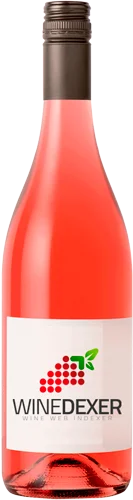
Winery Vită Românească
The winery offers 7 different wines
3.3


Note - 1Note - 1Note - 1Note - 0Note - 0
Its wines get an average rating of 3.3.
This estate is part of the Vincon Romania.
It is currently not ranked among the best domains of Dealu Mare.
It is located in Dealu Mare

The Winery Vită Românească is one of the best wineries to follow in Dealu Mare.. It offers 7 wines for sale in of Dealu Mare to come and discover on site or to buy online.

Top Winery Vită Românească wines

Looking for the best Winery Vită Românească wines in Dealu Mare among all the wines in the region? Check out our tops of the best red, white or effervescent Winery Vită Românească wines. Also find some food and wine pairings that may be suitable with the wines from this area. Learn more about the region and the Winery Vită Românească wines with technical and enological descriptions.

The top pink wines of Winery Vită Românească

Food and wine pairings with a pink wine of Winery Vită Românească

How Winery Vită Românească wines pair with each other generally quite well with dishes such as recipes .

The grape varieties most used in the pink wines of Winery Vită Românească.

  • Busuioaca de Bohotin

Discovering the wine region of Dealu Mare

Dealu Mare DOC is a wine region located in the southern Part of Romania in Prahova and Buzau counties. It’s latitude of 45° compares with Bordeaux and Tuscany, and is one of the countries most highly regarded DOCs, especially for its red wines. The Vineyard zone stretches for 65 kilometers (40 miles) across the southern Carpathian Hills (Dealu Mare translates as Big Hill). Its width ranges from 3 to 12 kilometers (2-7.

5 miles). Vineyards lie between 130 and 550 meters of altitude (425-1,800ft). They are protected from Harsh winter weather by the hills and forest above them. Average rainfall is around 640mm (25.

2in). In some areas, the soil has a high chalk content. This favors the cultivation of Aromatic white varieties such as Tamaioasa Romaneasca and Muscat Ottonel. Feteasca Alba, Pinot Gris, Sauvignon Blanc, Chardonnay, Viognier and Welschriesling are among the other favored white varieties.

The top red wines of Winery Vită Românească

Food and wine pairings with a red wine of Winery Vită Românească

How Winery Vită Românească wines pair with each other generally quite well with dishes such as recipes .

The best vintages in the red wines of Winery Vită Românească

  • 0With an average score of 3.40/5

The grape varieties most used in the red wines of Winery Vită Românească.

  • Feteasca Neagra

Discover the grape variety: Claverie

Claverie blanc is a grape variety that originated in France (South-West). It produces a variety of grape specially used for wine making. It is rare to find this grape to eat on our tables. This variety of grape is characterized by large bunches and large grapes. Claverie blanc can be found cultivated in these vineyards: South West, Cognac, Bordeaux, Provence & Corsica, Rhone Valley, Armagnac.

Discover other wineries and winemakers neighboring the Winery Vită Românească

Planning a wine route in the of Dealu Mare? Here are the wineries to visit and the winemakers to meet during your trip in search of wines similar to Winery Vită Românească.

Discover the grape variety: Bourboulenc

Bourboulenc is mainly grown in the southern part of France. It is a white grape variety that ripens quite late. It can only be harvested around 25 September and for an average of only one month. Bourboulenc is particularly fond of low-lying, but at the same time warm and dry locations. The aroma of this grape variety is not very pronounced, but it has a certain exotic fruit and floral aroma such as broom. The result is a low alcohol wine with subtle and fleeting aromas. Blanquette, bourboulanc, bourboulenque, doucillon, clairette dorée and clairette blanche are all names that can designate bourboulenc. This grape variety is very sensitive to diseases common to all vine plants such as magnesium deficiency, mildew and oidium. Bourboulenc can be used as a table grape. Most French people keep the bunches until Christmas in order to present them on the festive table as desserts.