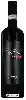
Winery VinosiaAnima di Negroamaro
 Red wine


In the mouth this red wine is a powerful.
This wine generally goes well with beef, lamb or pasta.

Taste structure of the Anima di Negroamaro from the Winery Vinosia
Light | Bold | |
Smooth | Tannic | |
Dry | Sweet | |
Soft | Acidic |
In the mouth the Anima di Negroamaro of Winery Vinosia in the region of Campania is a powerful.
Food and wine pairings with Anima di Negroamaro
Pairings that work perfectly with Anima di Negroamaro



Original food and wine pairings with Anima di Negroamaro
The Anima di Negroamaro of Winery Vinosia matches generally quite well with dishes of beef, pasta or lamb such as recipes of beef with onions chinese style, soy and shrimp noodles or lamb stew with melting peppers.
Details and technical informations about Winery Vinosia's Anima di Negroamaro.
Discover the grape variety: Muscadelle
Aromatic, fruity whites with a tender palate, with intense aromas of muscat, white flowers, honey, candied citrus and floral notes (no genetic link to the muscat family). Minor component in the great botrytised dessert wines of Sauternes, Barsac, Cérons and Monbazillac, adding perfume and freshness. Also dry in Entre-Deux-Mers. Made as sumptuous fortified wines in Australia (Rutherglen Topaque). French variety from Bordeaux and the South-West.
Last vintages of this wine

The best vintages of Anima di Negroamaro from Winery Vinosia are 2013, 0, 2012
Informations about the Winery Vinosia
The Winery Vinosia is one of of the world's great estates. It offers 47 wines for sale in the of Campania to come and discover on site or to buy online.

The wine region of Campania
Cradle of southern Italy's great wines on volcanic soils. Majestic Aglianico in red: structured, deep and tannic with notes of black cherry, candied plum, leather and spices, sublimated in age-worthy Taurasi DOCG, the "Barolo of the south". Identity whites of Irpinia: opulent Fiano di Avellino (honey, hazelnut), mineral iodine Greco di Tufo, aromatic Falanghina (peach, flowers). Also supple Piedirosso.
The word of the wine: Tries (harvest by)
Harvesting in several successive passages to harvest at their optimal concentration the grapes affected by noble rot. They allow the production of great sweet wines.