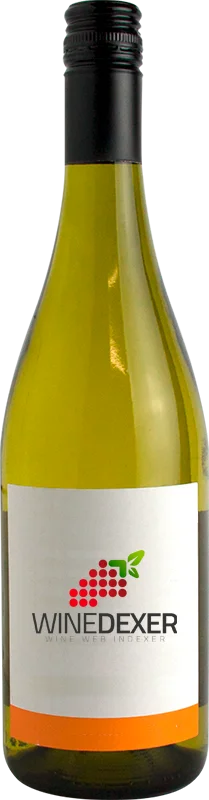
Winery VinolioDytiko White Dry
 White wine


This wine generally goes well with
The Dytiko White Dry of the Winery Vinolio is in the top 50 of wines of Chania.

Wine flavors and olphactive analysis

Details and technical informations about Winery Vinolio's Dytiko White Dry.
Discover the grape variety: Segalin
Colourful, fruity reds with an intense ruby robe, smooth tannins and a supple palate, showing simple aromas of red fruits (cherry, raspberry), plum, soft spices and Mediterranean notes. A productive, drink-young profile. Grown in small quantities in southern France for IGP Pays-d'Oc and modern southern blends. A French variety created in 1958 by complex crossing (Jurançon Noir × Portugais Bleu), intended for table wines.
Last vintages of this wine
The best vintages of Dytiko White Dry from Winery Vinolio are 2017, 0
Informations about the Winery Vinolio
The Winery Vinolio is one of of the world's greatest estates. It offers 10 wines for sale in the of Chania to come and discover on site or to buy online.

The wine region of Chania
Cretan sub-region in the west of the island around Chania, dominated by the Lefka Ori (White Mountains), the coolest zone of Crete, calcareous and schistous soils. Vidiano is the signature indigenous white: generous and aromatic with apricot, yellow peach, citrus, white flowers, honey and a mineral touch — the Cretan equivalent of Viognier. Lively, crunchy Vilana (citrus, herbs) as white. Versatile indigenous Romeiko, fruity spiced Kotsifali and Syrah as Mediterranean reds.
The wine region of Crete
Largest Greek island and 2nd national wine region, millennia-old Minoan heritage. Signature native Vidiano in whites, rediscovered jewel: ample, expressive with signature apricot, yellow peach, white flowers, honey, tropical fruit and a mineral touch, round and long palate. Also fresh lemony Vilana, rare Plyto and Thrapsathiri. Liatiko reds (most planted) supple with cherry, dried herbs and spice; fruity Kotsifali, tannic Mandilari.
The word of the wine: Foaming
Name given to the second alcoholic fermentation that sparkling wines undergo. It gives rise to a release of carbon dioxide in the bottle.