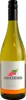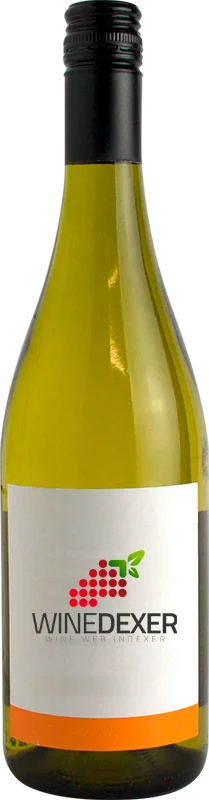
Winery Víno LeviceVeltlínske Zelené Suché Neskorý Zber
 White wine



This wine generally goes well with pork, vegetarian or lean fish.
Food and wine pairings with Veltlínske Zelené Suché Neskorý Zber
Pairings that work perfectly with Veltlínske Zelené Suché Neskorý Zber



Original food and wine pairings with Veltlínske Zelené Suché Neskorý Zber



The Veltlínske Zelené Suché Neskorý Zber of Winery Víno Levice matches generally quite well with dishes of pork, rich fish (salmon, tuna etc) or shellfish such as recipes of meatloaf with lovage (perpetual celery), salmon in foil in the microwave or fried rice with shrimp and chicken.
Details and technical informations about Winery Víno Levice's Veltlínske Zelené Suché Neskorý Zber.
Discover the grape variety: Gamay Fréaux
Gamay Fréaux noir is a grape variety that originated in France (Burgundy). It produces a variety of grape specially used for wine making. It is rare to find this grape to eat on our tables. This variety of grape is characterized by small bunches, and grapes of small to medium size. The Gamay Fréaux noir can be found in several vineyards: South-West, Cognac, Bordeaux, Rhône valley, Provence & Corsica, Loire valley, Savoie & Bugey, Beaujolais, Armagnac.
Last vintages of this wine
The best vintages of Veltlínske Zelené Suché Neskorý Zber from Winery Víno Levice are 2019, 0
Informations about the Winery Víno Levice
The Winery Víno Levice is one of of the world's greatest estates. It offers 12 wines for sale in the of Nitrianska to come and discover on site or to buy online.

The wine region of Nitrianska
The wine region of Nitrianska of Slovak Republic. Wineries and vineyards like the Domaine Tajna or the Domaine Vins produce mainly wines white, red and pink. The most planted grape varieties in the region of Nitrianska are Cabernet-Sauvignon, Riesling and Chardonnay, they are then used in wines in blends or as a single variety. On the nose of Nitrianska often reveals types of flavors of non oak, earth or oak and sometimes also flavors of tree fruit, citrus fruit or red fruit.
The word of the wine: Trader-breeder
In the major wine regions, the négociant does not simply buy and resell the wines but, from very young wines, carries out all the maturing operations until bottling.