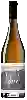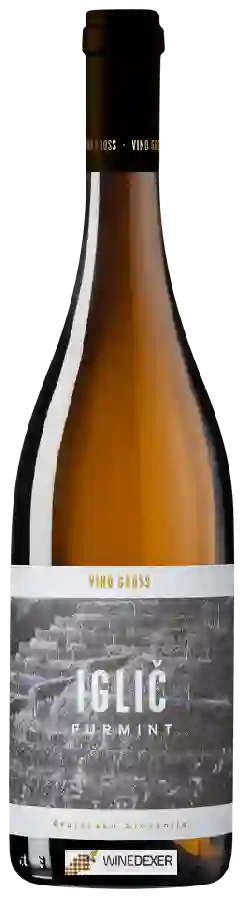
Winery Vino GrossIglič Furmint
 White wine


This wine generally goes well with

Wine flavors and olphactive analysis

On the nose the Iglič Furmint of Winery Vino Gross in the region of Podravje often reveals types of flavors of tree fruit, citrus fruit.
Discover the grape variety: Furmint
Taut, structured whites with cutting acidity and a mineral mouth, featuring aromas of apple, quince, citrus, honey, smoke and chalk notes. Made as ambitious dry wines (Tokaji száraz, Somló), off-dry and especially sumptuous botrytised sweet wines: Tokaji Aszú (legendary, classified by puttonyos) and Tokaji Eszencia. Highly susceptible to noble rot. The absolute star of Tokaj in Hungary, also in Slovakia, Slovenia (Šipon) and Austria. Native Hungarian grape.
Last vintages of this wine

The best vintages of Iglič Furmint from Winery Vino Gross are 2016, 0, 2015
Informations about the Winery Vino Gross
The Winery Vino Gross is one of of the world's great estates. It offers 51 wines for sale in the of Štajerska to come and discover on site or to buy online.

The wine region of Štajerska
Eastern Slovenian region (Slovenian Styria), capital Maribor home to the world's oldest vine (>450 years). Vivid, elegant whites in majority. Šipon (local Furmint) signature with signature notes of citrus, green apple, white flowers, honey and a mineral touch, taut long mouth — ageing potential. Fresh Laški Rizling (Welschriesling), aromatic Sauvignon Blanc, opulent Traminer (lychee, rose), floral Muscat Ottonel.
The wine region of Podravje
Slovenia's largest wine region around Maribor and Ormož, Germanic heritage of former Lower Styria. Signature aromatic dry whites dominate. Renski Rizling (Rhine Riesling) taut and mineral with signature notes of lemon, white peach, white flowers and a petrol touch. Laški Rizling (Welschriesling) fresh and refreshing, lively Sauvignon (boxwood, citrus), ample Sivi Pinot (Pinot Gris), opulent Traminer (lychee, rose), local Furmint for keeping.
The word of the wine: Aroma
A pleasant smell that can be primary (or varietal, i.e. characteristic of the grape), secondary (resulting from fermentation) or tertiary (resulting from the aging of the wine in the bottle).