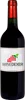
Winery Vinícola InconfidênciaRubro
 Red wine



This wine is a blend of 2 varietals which are the Cabernet franc and the Cabernet-Sauvignon.
This wine generally goes well with pork, poultry or beef.

Food and wine pairings with Rubro
Pairings that work perfectly with Rubro



Original food and wine pairings with Rubro



The Rubro of Winery Vinícola Inconfidência matches generally quite well with dishes of beef, lamb or pork such as recipes of beef stew, lamb chops with figs and honey or wild boar stew.
Details and technical informations about Winery Vinícola Inconfidência's Rubro.
Discover the grape variety: Cabernet franc
Supple, fragrant reds with fine tannins and vibrant freshness, showing raspberry, violet, green pepper, pencil lead and gentle spice aromas. Star of the Loire as a single variety (Chinon, Bourgueil, Saumur-Champigny) and of the right bank of Bordeaux in blends (Cheval Blanc at 60%). Also in semi-dry Anjou rosés. A historic Bordeaux variety, parent of Cabernet-Sauvignon, Merlot and Carmenère.
Last vintages of this wine
The best vintages of Rubro from Winery Vinícola Inconfidência are 2017, 0, 2016
Informations about the Winery Vinícola Inconfidência
The Winery Vinícola Inconfidência is one of of the world's greatest estates. It offers 9 wines for sale in the of Minas Gerais to come and discover on site or to buy online.

The wine region of Minas Gerais
Brazilian southeast state (south of Belo Horizonte), altitude vineyards between 800 and 1,000 m (Caldas, Andradas), pioneer of double-pruning allowing winter harvest — dry season with mild temperatures. Signature Syrah as red king: deep and spicy with blackberry, black cherry, violet, black pepper, smoked bacon and floral touch, firm tannins — comparable to modern Rhones. Vivid and aromatic Sauvignon Blanc (grapefruit, boxwood).
The word of the wine: Fade
Wine lacking in sapidity, flat, soft and without character.