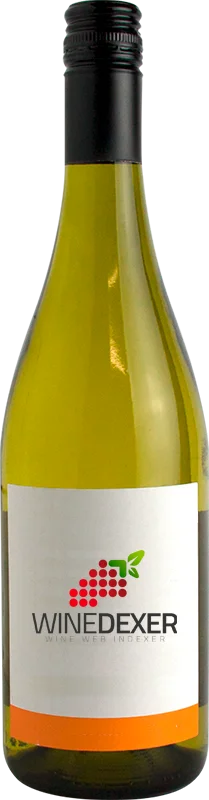
Winery Vinicola de CastillaSeñorío de Guadianeja Sauvignon Blanc
 White wine



In the mouth this white wine is a with a nice freshness.
This wine generally goes well with vegetarian, shellfish or goat cheese.

Taste structure of the Señorío de Guadianeja Sauvignon Blanc from the Winery Vinicola de Castilla
Light | Bold | |
Dry | Sweet | |
Soft | Acidic |
In the mouth the Señorío de Guadianeja Sauvignon Blanc of Winery Vinicola de Castilla in the region of Castille is a with a nice freshness.
Food and wine pairings with Señorío de Guadianeja Sauvignon Blanc
Pairings that work perfectly with Señorío de Guadianeja Sauvignon Blanc



Original food and wine pairings with Señorío de Guadianeja Sauvignon Blanc
The Señorío de Guadianeja Sauvignon Blanc of Winery Vinicola de Castilla matches generally quite well with dishes of shellfish, vegetarian or goat cheese such as recipes of mussels with chicken, summer tuna quiche or provencal gratin.
Details and technical informations about Winery Vinicola de Castilla's Señorío de Guadianeja Sauvignon Blanc.
Discover the grape variety: Arandell
Colourful and fruity reds with a deep purple hue, supple tannins and an airy palate with preserved acidity, featuring signature aromas of red fruits (cherry) and dark fruits (blackberry). Early-ripening and disease-resistant. Grown in the north-eastern USA, it represents the new generation of hybrid varieties adapted to northern continental wine-growing climates. American black hybrid variety obtained in 2013 by Cornell University, a disease-resistant cross.
Last vintages of this wine
The best vintages of Señorío de Guadianeja Sauvignon Blanc from Winery Vinicola de Castilla are 0
Informations about the Winery Vinicola de Castilla
The Winery Vinicola de Castilla is one of of the world's great estates. It offers 61 wines for sale in the of Castille to come and discover on site or to buy online.

The wine region of Castille
Cradle of great Castilian reds, high-altitude plateaus (450-1000 m) along the Duero. Tempranillo king (aka Tinta de Toro, Tinto Fino): powerful, concentrated, structured reds with notes of black cherry, plum, leather, tobacco and spice, firm tannins from altitude and cool nights. Stars: Ribera del Duero (Vega Sicilia, Pingus), fleshy Toro, Bierzo (floral, mineral Mencía). Lively, herbaceous Verdejo whites from Rueda.
The word of the wine: Tartar (deposit)
White, chalky deposits that occur as a result of precipitation inside bottles and are often considered by consumers as a defect. They are in fact tartaric salts formed by tartaric acid, potassium and calcium naturally present in the wine. This deposit does not alter the quality of the wine and can be eliminated by a simple decanting.