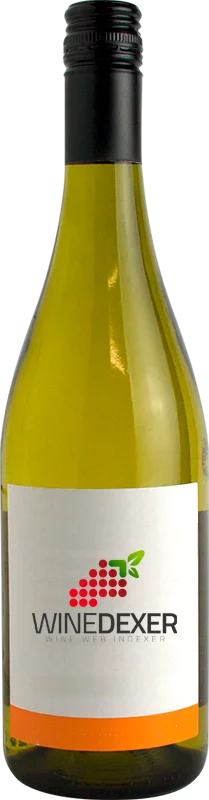
Winery Vini del SoleBianco d'Italia
 White wine


In the mouth this white wine is a powerful.
This wine generally goes well with vegetarian, appetizers and snacks or shellfish.
Taste structure of the Bianco d'Italia from the Winery Vini del Sole
Light | Bold | |
Dry | Sweet | |
Soft | Acidic |
In the mouth the Bianco d'Italia of Winery Vini del Sole in the region of Vino da Tavola is a powerful.
Food and wine pairings with Bianco d'Italia
Pairings that work perfectly with Bianco d'Italia



Original food and wine pairings with Bianco d'Italia
The Bianco d'Italia of Winery Vini del Sole matches generally quite well with dishes of shellfish, vegetarian or appetizers and snacks such as recipes of mussel clusters, quiche with bacon and gruyère cheese or mini burgers.
Details and technical informations about Winery Vini del Sole's Bianco d'Italia.
Discover the grape variety: Verdeca
An ancient indigenous grape variety known mainly in southern, eastern and central Italy. It can be found in Austria, Switzerland, Greece, the United States, Brazil, etc. and is virtually unknown in France. Note that it is sometimes confused with Verdea.
Last vintages of this wine
The best vintages of Bianco d'Italia from Winery Vini del Sole are 0
Informations about the Winery Vini del Sole
The Winery Vini del Sole is one of of the world's greatest estates. It offers 9 wines for sale in the of Vino da Tavola to come and discover on site or to buy online.

The wine region of Vino da Tavola
Vino da Tavola was the most basic classification of Italian wines. It is now renamed simply "Vino" and appears on labels as Vino d'Italia. The original name literally means "table wine" as opposed to premium wines from specific geographical locations (see EU wine label). In May 2011, the first legal steps were taken to abolish the Vino da Tavola category, in favor of a New classification of wines called simply Vino.
The word of the wine: Village
Term used in certain regions to identify a particular sector within a larger appellation (Beaujolais, Côtes-du-Rhône).