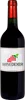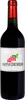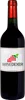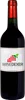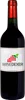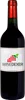
Winery Vinarija DeurićAksiom
 Red wine


This wine is a blend of 3 varietals which are the Marselan, the Petit Verdot and the Merlot.
This wine generally goes well with beef, game (deer, venison) or mature and hard cheese.
The Aksiom of the Winery Vinarija Deurić is in the top 10 of wines of Srem.

Wine flavors and olphactive analysis



On the nose the Aksiom of Winery Vinarija Deurić in the region of Srem often reveals types of flavors of non oak, earth or oak and sometimes also flavors of spices, red fruit or black fruit.
Food and wine pairings with Aksiom
Pairings that work perfectly with Aksiom



Original food and wine pairings with Aksiom
The Aksiom of Winery Vinarija Deurić matches generally quite well with dishes of beef, game (deer, venison) or mature and hard cheese such as recipes of spaghetti squash bolognese style, festive chinese fondue or reblochon pie.
Details and technical informations about Winery Vinarija Deurić's Aksiom.
Discover the grape variety: Marselan
Supple, fruity reds with a deep robe and melted tannins, featuring aromas of blackcurrant, blackberry, plum, violet, soft spices and garrigue notes. Good consistency and short-to-medium ageing capacity. Made in blends and as a single variety in Languedoc-Roussillon (IGP Pays d'Oc) and exported massively to China where it has become an emblematic quality signature. Also in Brazil and Argentina. A Cabernet Sauvignon × Grenache cross created in 1961 by Paul Truel in Montpellier.
Last vintages of this wine
The best vintages of Aksiom from Winery Vinarija Deurić are 2017, 0, 2016
Informations about the Winery Vinarija Deurić
The Winery Vinarija Deurić is one of of the world's greatest estates. It offers 16 wines for sale in the of Srem to come and discover on site or to buy online.

The wine region of Srem
Region of northern Serbia (Vojvodina) dominated by Fruška Gora, an island-mountain above the Danube, fertile loess soils. Capital Sremski Karlovci, historic birthplace of Serbian wine. Italian Riesling (Graševina) the white signature: green apple, citrus, white flowers and a honeyed touch, dry and thirst-quenching. Aromatic Traminac, lively Sauvignon, sweet Neoplanta.
The word of the wine: Sirupy
Close to the sensation of unctuousness, said of a wine that gives the impression of having the consistency of a syrup.