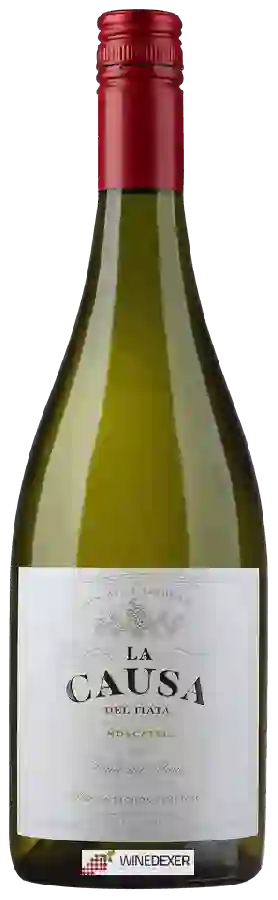
Winery Viña La CausaMoscatel
 White wine



This wine generally goes well with
The Moscatel of the Winery Viña La Causa is in the top 10 of wines of Itata Valley.

Wine flavors and olphactive analysis

On the nose the Moscatel of Winery Viña La Causa in the region of South often reveals types of flavors of tree fruit, citrus fruit.
Details and technical informations about Winery Viña La Causa's Moscatel.
Discover the grape variety: Parellada
Lively, elegant whites with finely chiselled acidity and a light palate, with aromas of lemon, green apple, white flowers, fresh herbs and discreet mineral notes. Brings freshness and aromatic finesse to Cava DO blends (with macabeo and xarel-lo), defining the taut identity of Catalan sparkling wines. Also as light still whites in Penedès DO and Conca de Barberà DO. Native Catalan variety grown at altitude.
Last vintages of this wine
The best vintages of Moscatel from Winery Viña La Causa are 2016, 2015, 0
Informations about the Winery Viña La Causa
The Winery Viña La Causa is one of of the world's greatest estates. It offers 5 wines for sale in the of Itata Valley to come and discover on site or to buy online.

The wine region of Itata Valley
Chilean southern valley in full revival, bicentennial pre-phylloxera bush-trained vines, ungrafted. Signature Cinsault from old granitic vines (Coelemu, Guarilihue): fine fresh reds with signature notes of crushed strawberry, raspberry, flowers, fresh herbs and a mineral touch, delicate tannins and lively acidity — drinkable and authentic style. País (Listán Prieto) light and fruity, dense Carignan, ample floral Muscat in white. Organic and natural, Pacific coastal climate.
The wine region of South
Southern Australia regional zone (18 GIs including Barossa, McLaren Vale, Coonawarra, Clare, Adelaide Hills). Shiraz leads in powerful, solar reds of blackberry, plum, pepper, dark chocolate and a balsamic-spicy touch, fleshy tannins and long ageing. Firm Cabernet Sauvignon and supple Grenache as GSM blend partners. Dry, mineral Clare Riesling as the white pinnacle.
The word of the wine: Pressing
Mechanical action consisting of pressing the grapes (before fermentation for whites) or the marc soaked in wine (after fermentation for reds).


