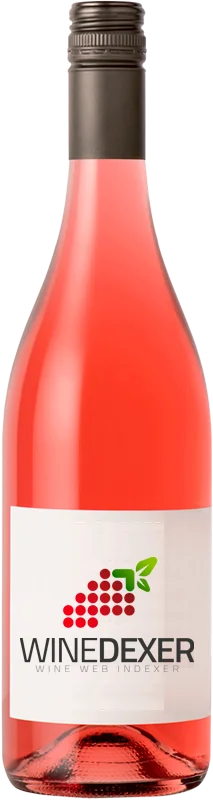
Winery Viña La CausaCinsault Rosé
 Pink wine



This wine generally goes well with
Details and technical informations about Winery Viña La Causa's Cinsault Rosé.
Discover the grape variety: Oeillade noire
Probably originating in the Languedoc, oeillade Noire is known by other names such as olhada, aragnan noir, ulhat, hulliade or croque. This variety should not be confused with Cinsault, which is highly productive, producing up to 5kg per vine, and is particularly noted for its drooping habit and vigour. The black eye is a late bloomer. Oidium, mildew and grey rot are its main enemies. It requires a rather short pruning, coulure and millerandage could harm its development and the grapes it would bear. It prefers a good exposure and reaches maturity around the second half of August. Its bunches are of medium size and its fruits have a great resemblance to those of the Cinsault. They have been eaten fresh at the table for a long time. The wine produced from this variety is quite alcoholic and has a colour similar to that of a cherry. The variety is no longer multiplied and seems to be on the way out.
Last vintages of this wine
The best vintages of Cinsault Rosé from Winery Viña La Causa are 0, 2019
Informations about the Winery Viña La Causa
The Winery Viña La Causa is one of of the world's greatest estates. It offers 5 wines for sale in the of Itata Valley to come and discover on site or to buy online.

The wine region of Itata Valley
Itata Valley is a wine region in the Southern end of Chile's Long, thin wine producing zone. This historical, cool-Climate region is dominated by Plantings of Carignan, Muscat of Alexandria and Pais (AKA Mission, aimed more at domestic consumption), although producers are beginning to plant more modern grape varieties like Cabernet Sauvignon, Cabernet Franc, Pinot Noir and Chardonnay. Itata's boundaries cover an area measuring roughly 100 kilometers (60 miles) from North to south and only a little less from east to west, although given the small quantity of land under Vine, the density of vineyards is low. The area is defined by the convergence of the Itata and Ñuble rivers, and vineyards are mostly found clustered around the towns of Chillán, Quillón and Coelemu.
The wine region of South
Malleco Valley is a Southern wine-growing region in Chile, some 540 kilometers (340 miles) south of the capital, Central-valley/maipo-valley/santiago">Santiago, in the Malleco province. The region is particularly challenging to Grape growers because of its marginal Climate, high rainfall and Short growing season, but the crisp, fresh wines produced here from Chardonnay, Sauvignon Blanc and Pinot Noir. are beginning to attract international attention. The wine industry in Malleco Valley is still in its embryonic stages, and there is less than 40 hectares (100 acres) under Vine here.
The word of the wine: Draft liquor (champagne)
After blending, the wine is bottled with a liqueur de tirage (a mixture of sugar and wine) and a yeast (selected yeasts). The yeast attacks the sugar and creates carbon dioxide. The fermentation, which lasts about two months, is prolonged by an ageing period (15 months minimum in total). The bottle is capped (some rare vintages are capped with a staple and a cork).