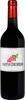
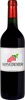
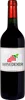
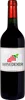
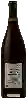
Winery Vin des PotesApache
 Red wine



This wine generally goes well with beef, mature and hard cheese or spicy food.
The Apache of the Winery Vin des Potes is in the top 70 of wines of Vin de France.

Wine flavors and olphactive analysis

On the nose the Apache of Winery Vin des Potes in the region of Vin de France often reveals types of flavors of cherry, red fruit.
Food and wine pairings with Apache
Pairings that work perfectly with Apache



Original food and wine pairings with Apache
The Apache of Winery Vin des Potes matches generally quite well with dishes of beef, spicy food or mature and hard cheese such as recipes of beef tongue in hot sauce, moroccan kefta balls or fusillis natalias.
Details and technical informations about Winery Vin des Potes's Apache.
Discover the grape variety: Mourvèdre
Powerful, deep reds with firm tannins and dense texture, showing aromas of blackberry, leather, garrigue, black pepper, liquorice and animal notes (game, forest floor) with age. Star of Bandol AOC as a single variety and pillar of Châteauneuf-du-Pape, Gigondas and Costières blends. Also in GSM in Languedoc and Australia. A late-ripening variety of Spanish origin (Mataró/Monastrell).
Last vintages of this wine
The best vintages of Apache from Winery Vin des Potes are 2019, 2018, 2017
Informations about the Winery Vin des Potes
The Winery Vin des Potes is one of of the world's greatest estates. It offers 18 wines for sale in the of Vin de France to come and discover on site or to buy online.

The wine region of Vin de France
The freest category of French wine, the playground of winemakers working outside the AOC. All styles combined: fruity reds, lively or ambitious whites, everyday rosés, unusual blends, natural wines, atypical grapes (Petit Manseng in Languedoc, Riesling in Provence), experimental winemaking (skin-contact whites, no sulphur). Grape and vintage labelling allowed, no geographic constraint. From the pop, convivial cuvée to the artisan gem: freedom in a bottle.
The word of the wine: Sweet
Generic term for wines containing residual sugar (natural sugars in the grapes that have not been transformed into alcohol). It is also used to describe a wine with a dominantly sweet flavour, without further explanation.