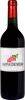
Domaine de la Ville RougeCuvée Lenny
 Red wine



This wine generally goes well with beef, lamb or mature and hard cheese.
Food and wine pairings with Cuvée Lenny
Pairings that work perfectly with Cuvée Lenny



Original food and wine pairings with Cuvée Lenny

The Cuvée Lenny of Domaine de la Ville Rouge matches generally quite well with dishes of beef, lamb or spicy food such as recipes of alsatian bäckeoffe, harira algerian soup or risotto milanese.
Details and technical informations about Domaine de la Ville Rouge's Cuvée Lenny.
Discover the grape variety: Petit brun
The petit brun is a black grape variety that is becoming rarer. It is found particularly in Provence, where it is one of the many other grape varieties that make up the reputation of this region. It is probably of Italian origin and is used to make the best red wines. It is known as "brun des Hautes Alpes". In order to be more productive, the vine needs to be pruned short and develops perfectly when it is well exposed. In France, Petit Brun is one of the secondary grape varieties used in the Palette appellations. The AOC Palette is considered the oldest in Provence. The wine made from petit brun is a dark red, particularly tannic. It gives off aromas of undergrowth and a floral scent. In the wines of Château Crémade, the petit brun gives them an exceptional subtlety.
Last vintages of this wine
The best vintages of Cuvée Lenny from Domaine de la Ville Rouge are 2016
Informations about the Domaine de la Ville Rouge
The Domaine de la Ville Rouge is one of of the world's greatest estates. It offers 12 wines for sale in the of Crozes-Hermitage to come and discover on site or to buy online.

The wine region of Crozes-Hermitage
The wine region of Crozes-Hermitage is located in the region of Rhône septentrional of Rhone Valley of France. Wineries and vineyards like the Domaine Combier or the Domaine M. Chapoutier produce mainly wines red and white. The most planted grape varieties in the region of Crozes-Hermitage are Marsanne, Roussanne and Mourvèdre, they are then used in wines in blends or as a single variety.
The wine region of Rhone Valley
The Rhone Valley is a key wine-producing region in Southeastern France. It follows the North-south course of the Rhône for nearly 240 km, from Lyon to the Rhône delta (Bouches-du-Rhône), near the Mediterranean coast. The Length of the valley means that Rhône wines are the product of a wide variety of soil types and mesoclimates. The viticultural areas of the region cover such a distance that there is a widely accepted division between its northern and southern parts.
The word of the wine: Powdery mildew
Disease of the vine due to a fungus. Less dreadful than mildew, it only attacks the surface of the green parts. Sulphur has long been the best remedy.