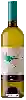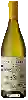
Winery Villa SpoianoSauvignon Toscano
 White wine



In the mouth this white wine is a with a nice freshness.
This wine generally goes well with vegetarian, appetizers and snacks or lean fish.
Taste structure of the Sauvignon Toscano from the Winery Villa Spoiano
Light | Bold | |
Dry | Sweet | |
Soft | Acidic |
In the mouth the Sauvignon Toscano of Winery Villa Spoiano in the region of Tuscany is a with a nice freshness.
Food and wine pairings with Sauvignon Toscano
Pairings that work perfectly with Sauvignon Toscano



Original food and wine pairings with Sauvignon Toscano


The Sauvignon Toscano of Winery Villa Spoiano matches generally quite well with dishes of pasta, vegetarian or appetizers and snacks such as recipes of makroud, zucchini quiche or christmas boots in knacki.
Details and technical informations about Winery Villa Spoiano's Sauvignon Toscano.
Discover the grape variety: Negro Aramo
Its country of origin is Greece - it is related to the Greek xynomavro grape variety - and it has been cultivated for a long time in southern Italy, particularly in the southern region of Puglia, although it is known throughout the country. It should not be confused with aglianico, with which it has some synonyms. It should be noted that there is an early Negro Aramo clone. We can also meet the Negro Aramo in England, Australia, New Zealand, the United States (California, ...), ... in France it is almost unknown.
Last vintages of this wine
The best vintages of Sauvignon Toscano from Winery Villa Spoiano are 0
Informations about the Winery Villa Spoiano
The Winery Villa Spoiano is one of of the world's greatest estates. It offers 13 wines for sale in the of Tuscany to come and discover on site or to buy online.

The wine region of Tuscany
Tuscany is one of the most famous and prolific wine regions in Europe. It is best known for its Dry red wines made from Sangiovese grapes, which dominate production. These include Chianti, Brunello di Montalcino and Vino Nobile di Montepulciano. The region's Vin Santo is also highly prized, as are its passito dessert wines, though these are produced in comparatively tiny quantities.
The word of the wine: Aging on lees
Maturing on the lees enhances the stability, aromatic complexity and texture of white wines, which gain in body and volume. This phenomenon is induced by autolysis, the process of self-degradation of the lees.