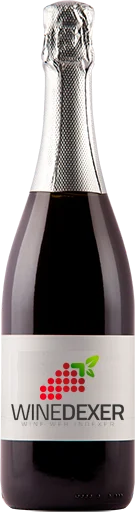
Winery Villa ItaliaBianco Frizzante
 Sparkling wine


This wine generally goes well with

Details and technical informations about Winery Villa Italia's Bianco Frizzante.
Discover the grape variety: Gros Cabernet
Colourful, structured reds with a deep purple robe, firm, tight tannins and an ample palate with preserved acidity, featuring signature aromas of black fruits (blackcurrant, blackberry), red pepper and herbaceous notes typical of the Cabernet family. Age-worthy profile. Almost gone from commercial cultivation, preserved in varietal collections for its great genetic value. French autochthonous black variety from the South-West, parent of Carménère (crossed with Cabernet Franc).
Last vintages of this wine
The best vintages of Bianco Frizzante from Winery Villa Italia are 0
Informations about the Winery Villa Italia
The Winery Villa Italia is one of of the world's greatest estates. It offers 16 wines for sale in the of Veneto to come and discover on site or to buy online.

The wine region of Veneto
World star of Prosecco: fresh, light Glera sparklers with notes of pear, green apple and white flowers, fruity, convivial bubbles. Veronese reds from Corvina and Rondinella: light, crisp Bardolino, fruity Valpolicella, opulent, concentrated Amarone DOCG (black cherry, chocolate, raisin) from dried grapes. Mineral, almondy Soave (Garganega) whites, fresh Pinot Grigio. 97,500 ha, Italy's largest production.
The word of the wine: Petiole
Stem of the leaf, connecting the leaf blade to the stem.