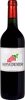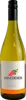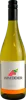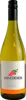
Winery Villa GarducciFrascati
 Red wine


This wine generally goes well with

Details and technical informations about Winery Villa Garducci's Frascati.
Discover the grape variety: Barbera noire
Intense and fruity reds with a deep purple colour, supple tannins and a full palate with characteristically very high acidity, offering signature aromas of red fruits (black cherry, morello cherry), ripe plum, spices, violet and Piedmontese balsamic notes. Star of the Barbera d'Asti DOCG and Barbera d'Alba DOC, also exported to Argentina (Mendoza) and California. Italian black variety, the third most planted red grape in Italy, native to Piedmont.
Last vintages of this wine

The best vintages of Frascati from Winery Villa Garducci are 0, 2016
Informations about the Winery Villa Garducci
The Winery Villa Garducci is one of of the world's greatest estates. It offers 2 wines for sale in the of Frascati to come and discover on site or to buy online.

The wine region of Frascati
Lazio DOC in the Castelli Romani south-east of Rome, well-drained volcanic soils. Malvasia di Candia and Malvasia del Lazio signature (70% min), backed by Trebbiano and Greco. Signature fresh and floral whites with notes of white apple, pear, citrus, white flowers, sweet almond and a volcanic mineral touch, taut and refreshing palate — the Roman aperitif, from the popes to Dolce Vita. Denser Superiore version (DOCG).
The wine region of Lazio
Two-millennia Roman vineyard, predominantly white on the volcanic soils of the Castelli Romani. Frascati DOC as figurehead: fresh, accessible whites based on Malvasia and Trebbiano, notes of green apple, white flowers and almond, slightly bitter finish. Also Bellone and Grechetto. Emblematic red: Cesanese del Piglio DOCG, fleshy with notes of ripe cherry, dry herbs and spice, round tannins.
The word of the wine: Deposit
Solid particles that can naturally coat the bottom of a bottle of wine. It is rather a guarantee that the wine has not been mistreated: in fact, to avoid the natural deposit, rather violent processes of filtration or cold passage (- 7 or - 8 °C) are used in order to precipitate the tartar (the small white crystals that some people confuse with crystallized sugar: just taste to dissuade you from it)