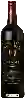
Vignobles Lalande MoreauLe Chevalier Millot Bordeaux
 Red wine
In the mouth this red wine is a powerful with a nice balance between acidity and tannins.
This wine generally goes well with poultry, beef or veal.

Taste structure of the Le Chevalier Millot Bordeaux from the Vignobles Lalande Moreau
Light | Bold | |
Smooth | Tannic | |
Dry | Sweet | |
Soft | Acidic |
In the mouth the Le Chevalier Millot Bordeaux of Vignobles Lalande Moreau in the region of Bordeaux is a powerful with a nice balance between acidity and tannins.
Food and wine pairings with Le Chevalier Millot Bordeaux
Pairings that work perfectly with Le Chevalier Millot Bordeaux



Original food and wine pairings with Le Chevalier Millot Bordeaux

The Le Chevalier Millot Bordeaux of Vignobles Lalande Moreau matches generally quite well with dishes of beef, veal or game (deer, venison) such as recipes of monkfish tagine, veal simmered with vegetables or duck breast with apples.
Details and technical informations about Vignobles Lalande Moreau's Le Chevalier Millot Bordeaux.
Discover the grape variety: Négret Canourgue
Light, simply fruity reds with a pale ruby colour, soft tannins and a light palate with moderate acidity, featuring understated aromas of red fruits. Discreet rustic profile. Nearly extinct, preserved in INRAE varietal collections for its heritage value; it bears witness to the pre-phylloxera ampelographic diversity of the South-West and is among the patrimonial varieties under study. Rare French black variety, once grown in the South-West.
Informations about the Vignobles Lalande Moreau
The Vignobles Lalande Moreau is one of of the world's great estates. It offers 512 wines for sale in the of Bordeaux to come and discover on site or to buy online.

The wine region of Bordeaux
World-renowned age-worthy reds, led by round Merlot (plum, black fruit) or firm Cabernet Sauvignon (blackcurrant, cedar, graphite), blended with Cabernet Franc and Petit Verdot for tannic structure. Structured Médoc and Graves, velvety Saint-Émilion and Pomerol. Also crisp dry whites (Sauvignon/Sémillon) and opulent sweet Sauternes with honey and candied fruit. A 110,000 ha Gironde vineyard, 65 appellations, cradle of the 1855 classified growths.
The word of the wine: Disorder
Said of a wine that is not clear due to the presence of colloidal suspensions that prevent the passage of light.