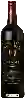
Vignobles Lalande MoreauLe Chevalier Saenen Bordeaux
 Red wine
This wine generally goes well with poultry, beef or veal.

Food and wine pairings with Le Chevalier Saenen Bordeaux
Pairings that work perfectly with Le Chevalier Saenen Bordeaux



Original food and wine pairings with Le Chevalier Saenen Bordeaux

The Le Chevalier Saenen Bordeaux of Vignobles Lalande Moreau matches generally quite well with dishes of beef, veal or game (deer, venison) such as recipes of beef marengo "my mom" style, roast veal orloff with mushrooms or pheasant in a casserole with white wine.
Details and technical informations about Vignobles Lalande Moreau's Le Chevalier Saenen Bordeaux.
Discover the grape variety: Pinot grigio
Crisp, light dry whites with a pale, sometimes copper-tinged robe, slender palate and fresh acidity, showing delicate aromas of citrus (lemon, grapefruit), green apple, pear, white flowers, almond and mineral notes. Refreshing profile. Absolute star of northern Italy: Pinot Grigio delle Venezie DOC, Friuli Colli Orientali DOC, Alto Adige DOC and Trentino DOC. Italian synonym for Burgundy's pinot gris (grey mutation of pinot noir), one of Italy's most exported whites.
Informations about the Vignobles Lalande Moreau
The Vignobles Lalande Moreau is one of wineries to follow in Bordeaux.. It offers 512 wines for sale in the of Bordeaux to come and discover on site or to buy online.

The wine region of Bordeaux
World-renowned age-worthy reds, led by round Merlot (plum, black fruit) or firm Cabernet Sauvignon (blackcurrant, cedar, graphite), blended with Cabernet Franc and Petit Verdot for tannic structure. Structured Médoc and Graves, velvety Saint-Émilion and Pomerol. Also crisp dry whites (Sauvignon/Sémillon) and opulent sweet Sauternes with honey and candied fruit. A 110,000 ha Gironde vineyard, 65 appellations, cradle of the 1855 classified growths.
The word of the wine: Wort
Juice before fermentation, still loaded with sugar.