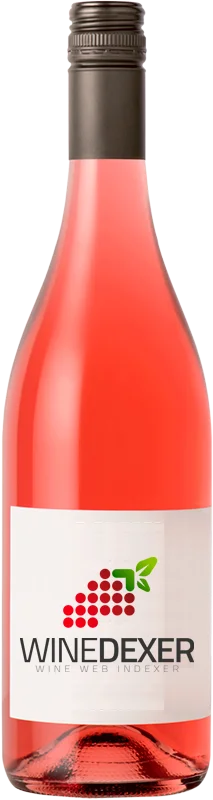
Winery Venâncio da Costa LimaPioneiro Rosé
 Pink wine


This wine generally goes well with
Wine flavors and olphactive analysis

On the nose the Pioneiro Rosé of Winery Venâncio da Costa Lima in the region of Península de Setúbal often reveals types of flavors of non oak, oak or tree fruit and sometimes also flavors of citrus fruit.
Details and technical informations about Winery Venâncio da Costa Lima's Pioneiro Rosé.
Discover the grape variety: Muscat Ottonel
Muscat Ottonel has the character of a grape variety with a distant lineage. It was first obtained in 1839 and continues to be planted in nearly 2,000 hectares of vineyards around the world. It shows good vigour and promises satisfactory production, of the order of 6 kilos per vine. The bunches, which are rather loose, are quite large, bearing berries with a strong character. A pleasantly musky flavour and a lot of juice characterize the pulp, protected by a medium skin. The bluish-black skin contributes to the exceptional beauty of the vineyards at harvest time. The size of the ellipsoidal berries is another argument in favor of Muscat Ottonel, which is also known as Muscat Ottone or Muscadet Ottonel. Resin, toast, honey and wild flowers are all present in the wines made from this variety. If the foliage, which turns yellow in autumn, is one of its charms, remember to protect the fruit from grey rot and coulure.
Last vintages of this wine

The best vintages of Pioneiro Rosé from Winery Venâncio da Costa Lima are 2013, 0, 2014
Informations about the Winery Venâncio da Costa Lima
The Winery Venâncio da Costa Lima is one of of the world's great estates. It offers 45 wines for sale in the of Setúbal to come and discover on site or to buy online.

The wine region of Setúbal
The wine region of Setúbal is located in the region of Península de Setúbal of Portugal. Wineries and vineyards like the Domaine José Maria da Fonseca or the Domaine Horácio Simões produce mainly wines red, natural sweet and white. The most planted grape varieties in the region of Setúbal are Touriga nacional, Fernao Pires and Cabernet-Sauvignon, they are then used in wines in blends or as a single variety. On the nose of Setúbal often reveals types of flavors of orange, coffee or toasty and sometimes also flavors of clove, pear or lemon.
The wine region of Península de Setúbal
Setúbal Peninsula (also known as Península de Setúbal) is the Portuguese wine region immediately southeast of Lisbon, across the Tejo estuary. The Terroir in the area ranges from sandy coastal plains to the craggy, limestone-rich Serra Arribida hills. The area is known for its Dry red wines made from Castelão, and for its fortified wines and Sweet Moscatel de Setúbal. The wines produced here are made under three titles: two DOCs, Palmela and Setúbal, and one IGP.
The word of the wine: Glycerol
Alcohol very present in wine (after ethyl alcohol) and which reinforces its unctuousness and fatty sensation.