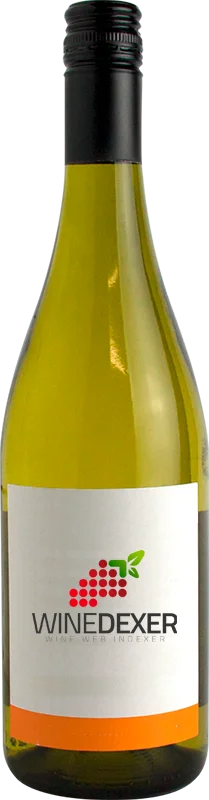
Château de VaureChâteau de Vaure Bordeaux Blanc
 White wine
In the mouth this white wine is a powerful.
This wine generally goes well with pork, vegetarian or poultry.
Taste structure of the Château de Vaure Bordeaux Blanc from the Château de Vaure
Light | Bold | |
Dry | Sweet | |
Soft | Acidic |
In the mouth the Château de Vaure Bordeaux Blanc of Château de Vaure in the region of Bordeaux is a powerful.
Food and wine pairings with Château de Vaure Bordeaux Blanc
Pairings that work perfectly with Château de Vaure Bordeaux Blanc



Original food and wine pairings with Château de Vaure Bordeaux Blanc


The Château de Vaure Bordeaux Blanc of Château de Vaure matches generally quite well with dishes of pork, vegetarian or poultry such as recipes of light stuffed tomatoes, quiche without pastry or tunisian tagine.
Details and technical informations about Château de Vaure's Château de Vaure Bordeaux Blanc.
Discover the grape variety: Ravat 51
An interspecific cross obtained by Jean-François Ravat around 1930. Some people give it as parents the 6905 Seibel - or subéreux - and the pinot, to be confirmed however. It can still be found in North America and England, but is practically unknown in France.
Informations about the Château de Vaure
The Château de Vaure is one of of the world's greatest estates. It offers 14 wines for sale in the of Bordeaux to come and discover on site or to buy online.

The wine region of Bordeaux
Bordeaux, in southwestern France, is one of the most famous, prestigious and prolific wine regions in the world. The majority of Bordeaux wines (nearly 90% of the production Volume) are the Dry, medium and Full-bodied red Bordeaux blends for which it is famous. The finest (and most expensive) are the wines of the great châteaux of Haut-Médoc and the right bank appellations of Saint-Émilion and Pomerol. The former focuses (at the highest level) on Cabernet Sauvignon, the latter on Merlot.
The word of the wine: Oxidation
Alteration of the wine caused by prolonged contact with oxygen and resulting in a coppery colour with brown reflections and the appearance of typical aromas reminiscent of rancid nuts.