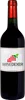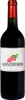
Winery Βατίστας ( Vatistas )Πύρινος Ξηρός Ερυθρός
 wine
wine
This wine generally goes well with
The Πύρινος Ξηρός Ερυθρός of the Winery Βατίστας ( Vatistas ) is in the top 0 of wines of Lakonia.

Details and technical informations about Winery Βατίστας ( Vatistas )'s Πύρινος Ξηρός Ερυθρός.
Discover the grape variety: Gros vert
Simple and fresh dry whites, pale golden colour, supple mouth with moderate acidity, with understated aromas of citrus and white flowers. Discreet rustic profile. Almost extinct, preserved in INRAE varietal collections. Testifies to pre-phylloxera ampelographic diversity in the South-West. Rare French white grape formerly grown in the South-West.
Last vintages of this wine



The best vintages of Πύρινος Ξηρός Ερυθρός from Winery Βατίστας ( Vatistas ) are 2016, 0
Informations about the Winery Βατίστας ( Vatistas )
The Winery Βατίστας ( Vatistas ) is one of of the world's greatest estates. It offers 12 wines for sale in the of Lakonia to come and discover on site or to buy online.

The wine region of Lakonia
Greek PGI (2000) covering the southeast tip of the Peloponnese, coastal and mountain terroirs around Monemvasia. Kydonitsa is the signature native white — a rising star among Greek varieties: dry and aromatic with intense quince, citrus, white flowers and a mineral hint, lively acidity. Historic Monemvasia as an ample white. Agiorgitiko and Mavroudi as signature reds with ripe red fruits, plum and a spiced hint, supple tannins.
The wine region of Peloponnesos
Southern Greece, the country's 2nd region by volume, high-altitude vineyards (200-900 m). Signature Agiorgitiko at Nemea ("Hercules' Blood"): deep ruby reds with signature notes of black cherry, plum, blackberry, sweet spices and a balsamic touch, supple tannins and a velvety palate — fleshy and accessible. At Mantinia (600 m), pink-skinned Moschofilero gives aromatic whites (rose, citrus, white flowers). Sweet fortified Mavrodaphne, fresh Roditis.
The word of the wine: Wooded
A set of aromas brought about by ageing in barrels (usually oak). This can be pleasant when, in small doses, it brings a touch of spice, roast or vanilla to an already constructed ensemble. When the violent woodiness dominates the wine, it is quickly tiring. Easily identifiable aromatically, it is sought after (to the point of abuse) by the makers of coarse wines. New World manufacturers and, alas, some French winemakers use oak chips to impart the woody taste, which is tantamount to artificial flavoring.