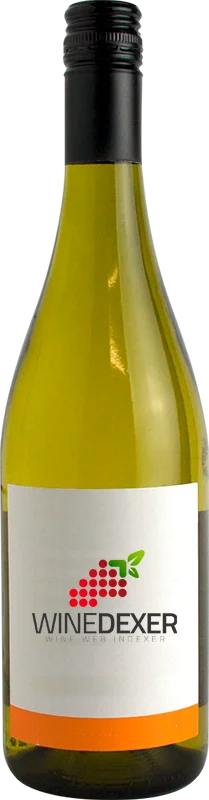
Winery Valley Road VineyardsFête
 White wine


This wine generally goes well with
Details and technical informations about Winery Valley Road Vineyards's Fête.
Discover the grape variety: Nielluccio
The black Nielluccio is a grape variety originating from Italy. It produces a variety of grape specially used for the elaboration of wine. It is rare to find this grape to eat on our tables. The black Nielluccio can be found in several vineyards: Provence & Corsica, South-West, Cognac, Bordeaux, Languedoc & Roussillon, Rhone Valley, Loire Valley, Savoie & Bugey, Beaujolais.
Last vintages of this wine
The best vintages of Fête from Winery Valley Road Vineyards are 0
Informations about the Winery Valley Road Vineyards
The Winery Valley Road Vineyards is one of of the world's greatest estates. It offers 14 wines for sale in the of Virginia to come and discover on site or to buy online.

The wine region of Virginia
Virginia is a state on the eastern seaboard of the United States, located immediately South of Maryland and North of the Carolinas. The state covers 42,750 square miles (110,750 km2) of mountains, valleys and the Atlantic coastal Complex that forms its eastern border. From the Cumberland and Blue Ridge Mountains in the west to the coastal creeks and estuaries in the east, Virginia's topography and geology are varied, to say the least. The landscape around the Chesapeake Bay - a vast coastal inlet that separates the main state from its Eastern Shore - could hardly be more different from that below Mt Rogers (1,750m), 480km to the west.
The word of the wine: Severe
Said of a red wine that is generally young, very marked by tannins and astringent. See austere.