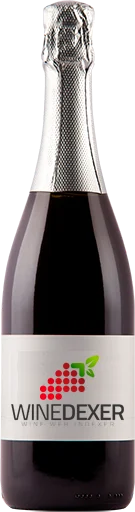
Winery VallebelboMoscato Spumante Dolce
 Sparkling wine



This wine generally goes well with sweet desserts

Food and wine pairings with Moscato Spumante Dolce
Pairings that work perfectly with Moscato Spumante Dolce

Original food and wine pairings with Moscato Spumante Dolce
The Moscato Spumante Dolce of Winery Vallebelbo matches generally quite well with dishes of sweet desserts such as recipes of traditional pastry flan.
Details and technical informations about Winery Vallebelbo's Moscato Spumante Dolce.
Discover the grape variety: Macabeo
Structured, aromatic dry whites with an ample palate and moderate acidity, showing aromas of citrus (lemon, grapefruit), white flowers (acacia), pear, green apple, light honey and fresh almond notes. Fine ageing potential. Essential component of Cava DO sparkling (with xarel·lo and parellada), pillar of Rioja DOCa whites (as viura) and Roussillon AOC whites. Autochthonous Aragonese variety, aromatic signature of the great Iberian whites.
Last vintages of this wine
The best vintages of Moscato Spumante Dolce from Winery Vallebelbo are 2018, 2019, 0
Informations about the Winery Vallebelbo
The Winery Vallebelbo is one of of the world's greatest estates. It offers 55 wines for sale in the of Vino da Tavola to come and discover on site or to buy online.

The wine region of Vino da Tavola
The freest category of Italian wine, with no grape or zone constraint. All styles: bold reds based on Bordeaux grapes (Cabernet, Merlot), atypical blends, maker's cuvées outside DOC rules. Historic cradle of the "Super Tuscans" in the 1960s-80s (Sassicaia, Tignanello, Ornellaia) before the creation of IGT in 1992. Today dedicated to everyday wines or winemaker experiments.
The word of the wine: Effervescent
Any wine loaded with CO2 (carbon dioxide), which is revealed in the form of bubbles, reinforcing the freshness effect in the mouth. This gas production is the result of what is called the second fermentation in the bottle. It occurs in champagnes and sparkling wines such as crémants.


