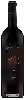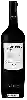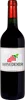
Winery Valle PrimaMontespertoli Chianti
 Unknow wine


This wine generally goes well with poultry, beef or veal.
Food and wine pairings with Montespertoli Chianti
Pairings that work perfectly with Montespertoli Chianti



Original food and wine pairings with Montespertoli Chianti
The Montespertoli Chianti of Winery Valle Prima matches generally quite well with dishes of beef, veal or poultry such as recipes of veal shank with mushrooms, roast veal with mustard cream or wiener schnitzel or viennese schnitzel.
Details and technical informations about Winery Valle Prima's Montespertoli Chianti.
Discover the grape variety: Loin de l'oeil
This variety is most certainly from the Tarn region, more precisely from Gaillac, and is registered in the Official Catalogue of wine grape varieties, list A1. It is not found in any other French wine-growing region and is virtually unknown abroad.
Last vintages of this wine
The best vintages of Montespertoli Chianti from Winery Valle Prima are 0
Informations about the Winery Valle Prima
The Winery Valle Prima is one of of the world's greatest estates. It offers 3 wines for sale in the of Chianti to come and discover on site or to buy online.

The wine region of Chianti
The wine region of Chianti is located in the region of Toscane of Italy. We currently count 1721 estates and châteaux in the of Chianti, producing 2759 different wines in conventional, organic and biodynamic agriculture. The wines of Chianti go well with generally quite well with dishes .
The wine region of Tuscany
Tuscany is one of the most famous and prolific wine regions in Europe. It is best known for its Dry red wines made from Sangiovese grapes, which dominate production. These include Chianti, Brunello di Montalcino and Vino Nobile di Montepulciano. The region's Vin Santo is also highly prized, as are its passito dessert wines, though these are produced in comparatively tiny quantities.
The word of the wine: Draft liquor (champagne)
After blending, the wine is bottled with a liqueur de tirage (a mixture of sugar and wine) and a yeast (selected yeasts). The yeast attacks the sugar and creates carbon dioxide. The fermentation, which lasts about two months, is prolonged by an ageing period (15 months minimum in total). The bottle is capped (some rare vintages are capped with a staple and a cork).