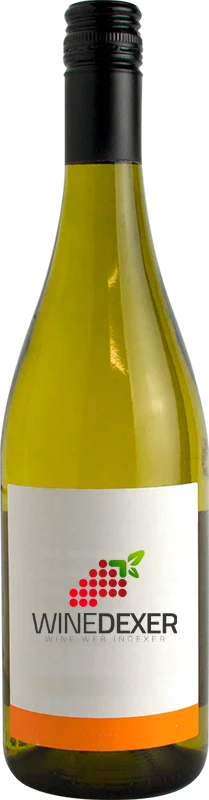
Winery Valle Dell' AssoLenze Bianco
 White wine


In the mouth this white wine is a powerful.
This wine generally goes well with vegetarian, appetizers and snacks or shellfish.

Taste structure of the Lenze Bianco from the Winery Valle Dell' Asso
Light | Bold | |
Dry | Sweet | |
Soft | Acidic |
In the mouth the Lenze Bianco of Winery Valle Dell' Asso in the region of Puglia is a powerful.
Food and wine pairings with Lenze Bianco
Pairings that work perfectly with Lenze Bianco



Original food and wine pairings with Lenze Bianco
The Lenze Bianco of Winery Valle Dell' Asso matches generally quite well with dishes of shellfish, vegetarian or appetizers and snacks such as recipes of pageot, mushroom, bacon and gruyere quiche or tempura of vegetables and quick.
Details and technical informations about Winery Valle Dell' Asso's Lenze Bianco.
Discover the grape variety: Garganega
Structured, aromatic whites with a round palate and fresh acidity, with aromas of fresh almond, white flowers, yellow apple, pear, citrus and volcanic mineral notes. Typical bitter almond finish. Made as noble dry whites (Soave Classico DOC, Soave Superiore DOCG) and sumptuous passito dessert wines (Recioto di Soave DOCG). Also in Gambellara DOC. Native Venetian variety from the volcanic hills south-east of Verona.
Last vintages of this wine

The best vintages of Lenze Bianco from Winery Valle Dell' Asso are 2018, 2016, 0, 2017 and 2015.
Informations about the Winery Valle Dell' Asso
The Winery Valle Dell' Asso is one of of the world's great estates. It offers 17 wines for sale in the of Puglia to come and discover on site or to buy online.

The wine region of Puglia
Heel of the boot, 80% red vineyard, sunny and generous. Fleshy, jammy Primitivo (= Zinfandel) with notes of black cherry, plum, chocolate and spices, powerful alcohol and melted tannins, a star in Primitivo di Manduria. Deep, structured Negroamaro (black-bitter) with a bitter finish in Salice Salentino. Structured Nero di Troia, spicy Susumaniello.
The word of the wine: Oenologist
Specialist in wine-making techniques. It is a profession and not a passion: one can be an oenophile without being an oenologist (and the opposite too!). Formerly attached to the Faculty of Pharmacy, oenology studies have become independent and have their own university course. Learning to make wine requires a good chemical background but also, increasingly, a good knowledge of the plant. Some oenologists work in laboratories (analysis). Others, the consulting oenologists, work directly in the properties.