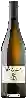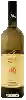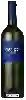
Winery ValentanSauvignon
 White wine



This wine generally goes well with vegetarian, rich fish (salmon, tuna etc) or shellfish.
Food and wine pairings with Sauvignon
Pairings that work perfectly with Sauvignon



Original food and wine pairings with Sauvignon
The Sauvignon of Winery Valentan matches generally quite well with dishes of rich fish (salmon, tuna etc), shellfish or vegetarian such as recipes of tomato, zucchini and tuna flan, spaghetti with shrimp and cream or goat cheese and bacon quiche.
Details and technical informations about Winery Valentan's Sauvignon.
Discover the grape variety: Albillo mayor
Very old Spanish grape variety originating and cultivated in the upper Douro Valley - Ribera del Duero province of Burgos -. It is believed to be the result of a natural cross between the white Heben and a variety that is still unknown today. It should be noted that the synonym albillo is used for many other grape varieties, such as chasselas, muscat of Alexandria or albillo de Toro, verdejo or albillo de Nava, ... and it should not be confused with torrontés riojano. You can find the Albillo mayor in Italy, Spain, Portugal, Peru, Chile, Bulgaria, ... completely unknown in France.
Last vintages of this wine
The best vintages of Sauvignon from Winery Valentan are 2017, 0, 2018
Informations about the Winery Valentan
The Winery Valentan is one of of the world's greatest estates. It offers 7 wines for sale in the of Primorje to come and discover on site or to buy online.

The wine region of Primorje
The wine region of Primorje of Slovenia. Wineries and vineyards like the Domaine Batič or the Domaine Aci Urbajs produce mainly wines white, red and sparkling. The most planted grape varieties in the region of Primorje are Cabernet-Sauvignon, Merlot and Chardonnay, they are then used in wines in blends or as a single variety. On the nose of Primorje often reveals types of flavors of tropical, apricot or plum and sometimes also flavors of pepper, black fruits or chocolate.
The word of the wine: Reassembly
During the vinification process, a "cap" is formed at the top of the vats with the solid parts (skin, pulp, pips, etc.), which contain tannins and colouring elements. Pumping over consists of emptying the vat from the bottom and pouring the juice back to the top, in order to mix the cap and the juice and to favour the exchange and the extraction. This old technique allows a better exchange between the solid parts and the liquid.