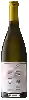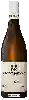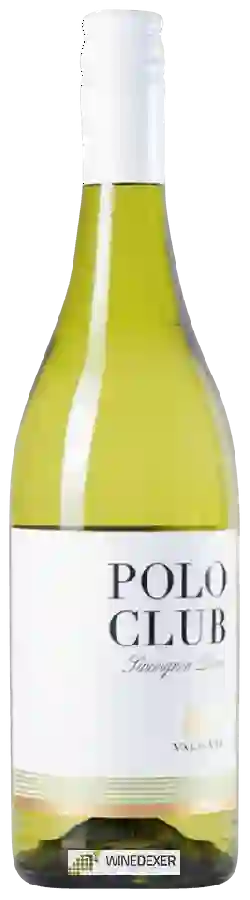
Winery Val de ViePolo Club Sauvignon Blanc
 White wine



In the mouth this white wine is a with a nice freshness.
This wine generally goes well with vegetarian, shellfish or goat cheese.

Taste structure of the Polo Club Sauvignon Blanc from the Winery Val de Vie
Light | Bold | |
Dry | Sweet | |
Soft | Acidic |
In the mouth the Polo Club Sauvignon Blanc of Winery Val de Vie in the region of Western Cape is a with a nice freshness.
Food and wine pairings with Polo Club Sauvignon Blanc
Pairings that work perfectly with Polo Club Sauvignon Blanc


Original food and wine pairings with Polo Club Sauvignon Blanc
The Polo Club Sauvignon Blanc of Winery Val de Vie matches generally quite well with dishes of shellfish, vegetarian or goat cheese such as recipes of indian chicken (simplified korma), nanie's diced ham quiche or avocado cassolette.
Details and technical informations about Winery Val de Vie's Polo Club Sauvignon Blanc.
Discover the grape variety: Pardina
Simple, fresh whites best enjoyed young, with a pale golden robe, an airy palate with moderate acidity, and signature aromas of citrus (lemon), green apple, white fruits and discreet herbal notes. Accessible southern profile. Productive and heat-resistant, often used for dry whites and distillates in Extremadura, notably in Ribera del Guadiana. Spanish white grape grown in Extremadura, mainly in the Ribera del Guadiana DO.
Last vintages of this wine
The best vintages of Polo Club Sauvignon Blanc from Winery Val de Vie are 0, 2017
Informations about the Winery Val de Vie
The Winery Val de Vie is one of of the world's greatest estates. It offers 22 wines for sale in the of Western Cape to come and discover on site or to buy online.

The wine region of Western Cape
Cradle of South African wine. Signature Chenin Blanc (Steen, 20%) in ample, fresh whites with notes of quince, yellow apple, honey and acacia flower, from crisp dry to sweet. Sharp, iodised Sauvignon Blanc (Walker Bay, Constantia), balanced Chardonnay. Reds: emblematic Pinotage with roasted aromas (coffee, plum, smoke), firm Cabernet Sauvignon, spicy Syrah.
The word of the wine: Yeast
Micro-organisms at the base of all fermentative processes. A wide variety of yeasts live and thrive naturally in the vineyard, provided that treatments do not destroy them. Unfortunately, their replacement by laboratory-selected yeasts is often the order of the day and contributes to the standardization of the wine. Yeasts are indeed involved in the development of certain aromas.