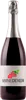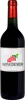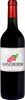
Winery Yamakiri WinesPapillon de Nuit Syrah
 wine
wine
This wine generally goes well with
The Papillon de Nuit Syrah of the Winery Yamakiri Wines is in the top 0 of wines of Mendocino Ridge.

Details and technical informations about Winery Yamakiri Wines's Papillon de Nuit Syrah.
Discover the grape variety: Mancin
Light and simple fruity reds, pale ruby colour, soft tannins and light mouth with moderate acidity, with understated red fruit aromas. Discreet rustic profile. Almost extinct, preserved in INRAE varietal collections. Testifies to pre-phylloxera ampelographic diversity in Bordeaux. Rare French black grape formerly grown in Bordeaux.
Informations about the Winery Yamakiri Wines
The Winery Yamakiri Wines is one of of the world's greatest estates. It offers 10 wines for sale in the of Mendocino Ridge to come and discover on site or to buy online.

The wine region of Mendocino Ridge
Only non-contiguous AVA in the United States (1997) on the Mendocino coast: vineyards above 1,200 ft, nicknamed "Islands in the Sky" emerging from coastal fog. Old-vine Zinfandel signature variety, Pinot Noir, Syrah, Riesling and Chardonnay complement. Poor, well-drained sandy and schist soils, stressed vines producing small thick-skinned berries with concentrated aromas. Cool maritime Region I-II Winkler climate, vibrant and structured wines.
The wine region of California
Powerful, sunny reds: dense Napa Cabernet Sauvignon (blackcurrant, chocolate, tobacco, ample tannins), spicy, jammy Zinfandel from the Sierra Foothills, silky red-fruited Pinot Noir on the cool coast (Sonoma, Russian River, Central Coast). Opulent, buttery Chardonnay, notes of yellow fruit and vanilla. Varied climate, from the hot interior to the Pacific-cooled coast. 80% of US production, 139 AVAs including Napa (1st AVA, 1981).
The word of the wine: Concentrator
A device that removes water from grape must by reverse osmosis or entropy system. Its proponents say that it is better to remove water than to add sugar to produce more alcohol. The improperly used concentrator can also exaggerate bad tastes or greenness of tannins.