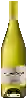
Winery Sonoma-CutrerSauvignon Blanc
 White wine
In the mouth this white wine is a with a nice freshness.
This wine generally goes well with vegetarian, shellfish or goat cheese.

Taste structure of the Sauvignon Blanc from the Winery Sonoma-Cutrer
Light | Bold | |
Dry | Sweet | |
Soft | Acidic |
In the mouth the Sauvignon Blanc of Winery Sonoma-Cutrer in the region of California is a with a nice freshness.
Food and wine pairings with Sauvignon Blanc
Pairings that work perfectly with Sauvignon Blanc


Original food and wine pairings with Sauvignon Blanc
The Sauvignon Blanc of Winery Sonoma-Cutrer matches generally quite well with dishes of shellfish, vegetarian or goat cheese such as recipes of spaghetti with clams, quiche with bacon and gruyère cheese or pizza with ham, goat cheese and mushrooms.
Details and technical informations about Winery Sonoma-Cutrer's Sauvignon Blanc.
Discover the grape variety: Grauburgunder
Structured, full-bodied dry whites with a slightly copper-tinged pale golden colour, ample palate and moderate acidity, showing signature aromas of yellow fruits (pear, peach, apricot), honey, smoke, almond and spiced notes. Also produced as off-dry and botrytised sweet wines. Makes great German-speaking whites in Germany (Baden, Palatinate), Austria, northern Italy (Südtirol) and Switzerland. German synonym for pinot gris, a French grey variety native to Burgundy.
Informations about the Winery Sonoma-Cutrer
The Winery Sonoma-Cutrer is one of of the world's great estates. It offers 23 wines for sale in the of Russian River Valley to come and discover on site or to buy online.

The wine region of Russian River Valley
Cool climate ideal for elegant Pinot Noir and balanced Chardonnay: fine, silky reds with aromas of cherry, raspberry, undergrowth and sweet spice, fine acidity and velvety tannins. Textured Chardonnay with notes of apple, citrus and butter, measured oak. Also gourmet Zinfandels and traditional-method sparklers. Sonoma AVA cooled by the Pacific fog of the Petaluma Gap, alluvial and volcanic soils.
The wine region of California
Powerful, sunny reds: dense Napa Cabernet Sauvignon (blackcurrant, chocolate, tobacco, ample tannins), spicy, jammy Zinfandel from the Sierra Foothills, silky red-fruited Pinot Noir on the cool coast (Sonoma, Russian River, Central Coast). Opulent, buttery Chardonnay, notes of yellow fruit and vanilla. Varied climate, from the hot interior to the Pacific-cooled coast. 80% of US production, 139 AVAs including Napa (1st AVA, 1981).
The word of the wine: Peduncle
The stem of a flower or fruit.