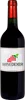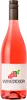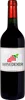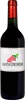
Winery PlaimontTémoignage Saint Mont Blanc
 White wine


This wine is a blend of 3 varietals which are the Gros Manseng, the Petit Verdot and the Arrufiac.
This wine generally goes well with beef and mature and hard cheese.

Food and wine pairings with Témoignage Saint Mont Blanc
Pairings that work perfectly with Témoignage Saint Mont Blanc


Original food and wine pairings with Témoignage Saint Mont Blanc
The Témoignage Saint Mont Blanc of Winery Plaimont matches generally quite well with dishes of beef or mature and hard cheese such as recipes of venison stew with red wine or phonsounette (potatoes with melted saint nectaire cheese).
Details and technical informations about Winery Plaimont's Témoignage Saint Mont Blanc.
Discover the grape variety: Gros Manseng
Structured, aromatic whites with lively acidity and an ample mouth, featuring intense aromas of exotic fruits (pineapple, mango, passion fruit), ripe citrus, yellow peach, white flowers, honey and sweet spices. Made as nervy modern dry wines (Jurançon sec AOC, IGP Côtes de Gascogne) and sumptuous passerillage sweet wines (Jurançon AOC, Pacherenc du Vic-Bilh AOC). Late-ripening native grape of Béarn, the productive sibling of Petit Manseng.
Informations about the Winery Plaimont
The Winery Plaimont is one of wineries to follow in Saint-Mont.. It offers 363 wines for sale in the of Saint-Mont to come and discover on site or to buy online.

The wine region of Saint-Mont
South West AOC on the Pyrenean piedmont (Gers, AOC 2011, ~1,250 ha): Tannat signature red king complemented by Pinenc (Fer Servadou), Cabernet Sauvignon and Tardif — signature imposing tannic structure from Tannat, dark robe and exceptional ageing, aromatic finesse of Pinenc with fresh red fruits softening the frame. Gros Manseng, Petit Courbu and Arrufiac in aromatic whites. White clay-limestone soils, Gascon tawny sands, degraded oceanic climate.
The wine region of South West
French mosaic of strong identities south of Bordeaux. Cahors and its Malbec ("black wine"): deep reds with notes of blackberry, plum, violet, tobacco and cocoa, firm tannins. Madiran and its dense, age-worthy Tannat. Jurançon whites: golden sweet (apricot, honey, pineapple) and lively dry from Petit Manseng.
The word of the wine: Right bank
In Bordeaux, it refers to the vineyards located on the right bank of the Gironde and Dordogne rivers, where the Merlot grape variety is dominant. These are the appellations of Saint-Emilion, Pomerol, Fronsac, etc.